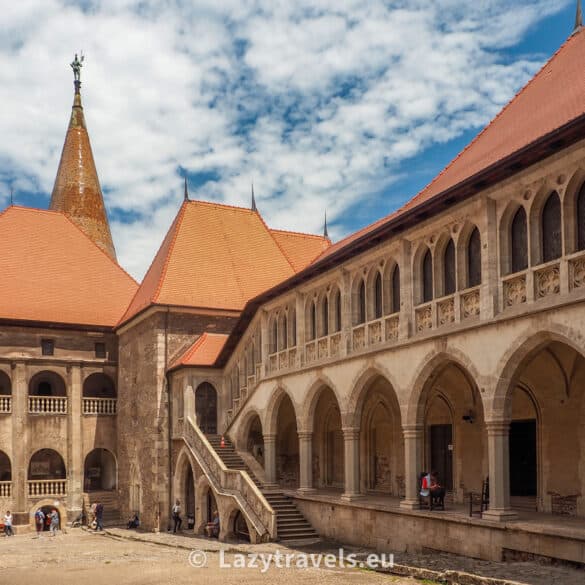
It is difficult to find someone who has not heard of the UNESCO list. That is why being included on it is an honor, a privilege, but also a responsibility. Only the most valuable or simply unique places are included on it. So what is on the World Heritage List in Poland? Here is an overview of all 17 Poland UNESCO sites.
First, a bit of history. The World Heritage List is a list of objects and places of exceptional and universal value to humanity. It includes both man-made and natural sites. The list came into force on December 17, 1975, but the first sites were not inscribed until 1978, during the UNESCO session from September 5 to 8. Interestingly, two places in Poland were immediately included on the list: the Old Town of Krakow and the Wieliczka Salt Mine. Today, there are 17 sites on the UNESCO list in Poland. Fifteen of them are cultural heritage sites and two are natural heritage sites.
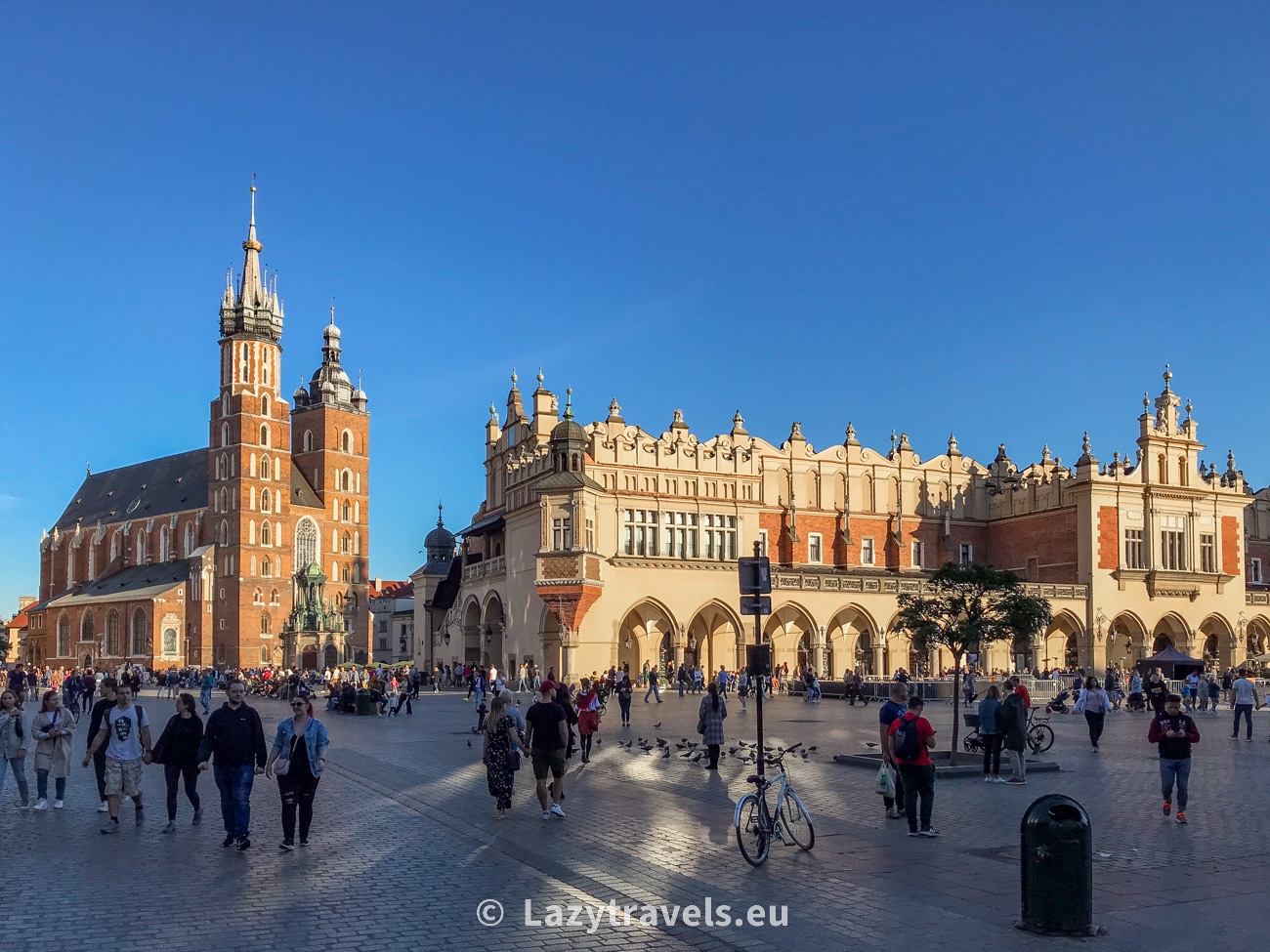
I have already managed to visit almost all UNESCO sites in Poland. Almost, because there are still a few left. The remaining ones are just a matter of time, because since I got a car, traveling has become easier. But well, some of the sites known as UNESCO Poland are far from the roads. For example, how else but by car can you reach all the wooden Orthodox churches in Podkarpacie or Małopolska?
The Old Town in Zamość
Padua of the North, the perfect city… Zamość has many nicknames, but that is not important. Above all, Zamość is beautiful! It is an example of a planned city. Jan Zamoyski founded it in the 16th century in a place where there had been no powerful fortifications until then. Thanks to this investment, foreign armies encountered a powerful stronghold they could not ignore. Indeed, the fortress was so powerful that it did not surrender during the Swedish Deluge! As legend has it, the Polish phrase „szwedzki stół” (Swedish table) was coined.
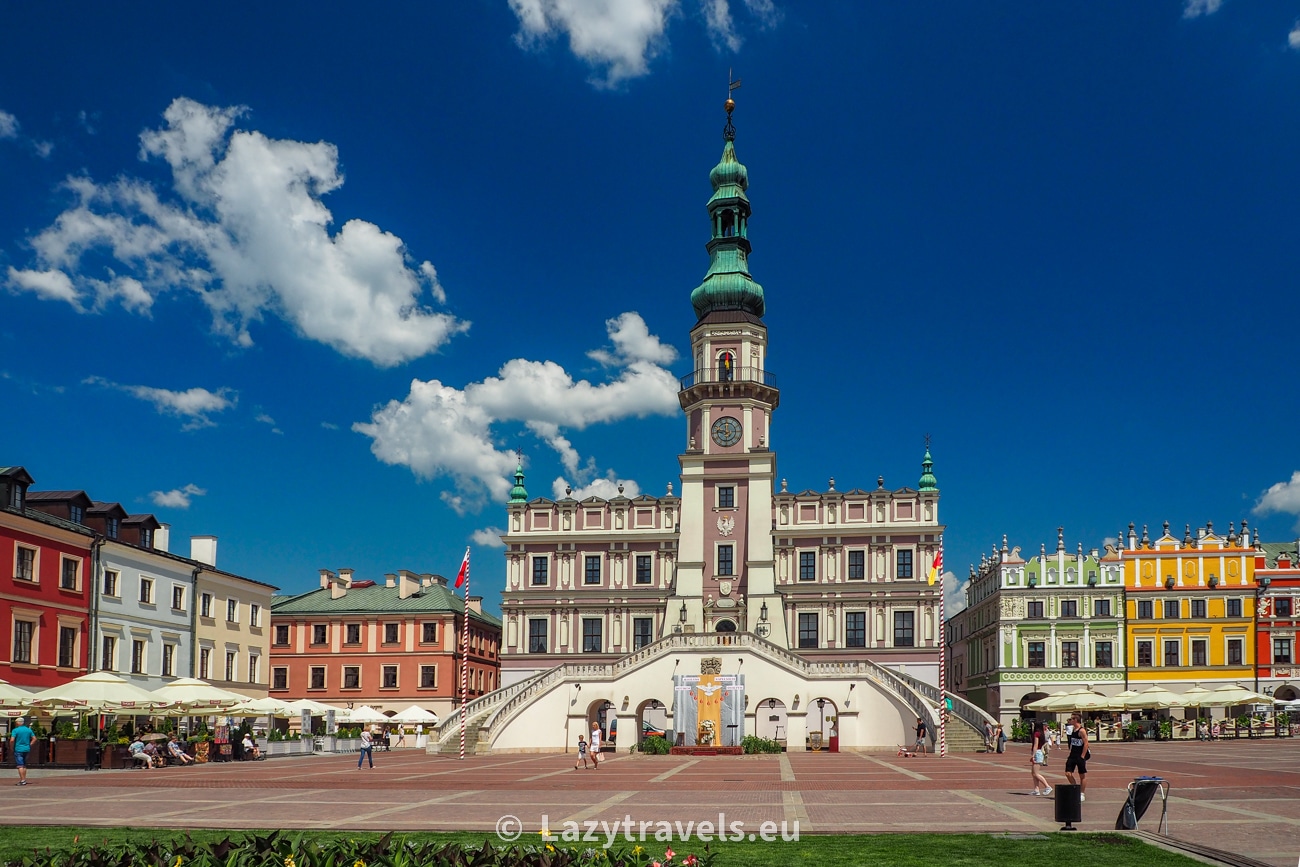
What about the city itself? It’s beautiful! It has three market squares, the most impressive of which is the Great Market Square with its distinctive town hall. The Armenian tenement houses in front of the market square are also unmistakable. Zamość is the perfect place to start exploring the nearby Roztocze region.
Set aside at least one day for sightseeing in Zamość because it may seem small, but there is a lot to see. But there is a lot to see here. If you like guided tours, go to the tourist information office, where organized groups set off to learn about Zamość’s history.
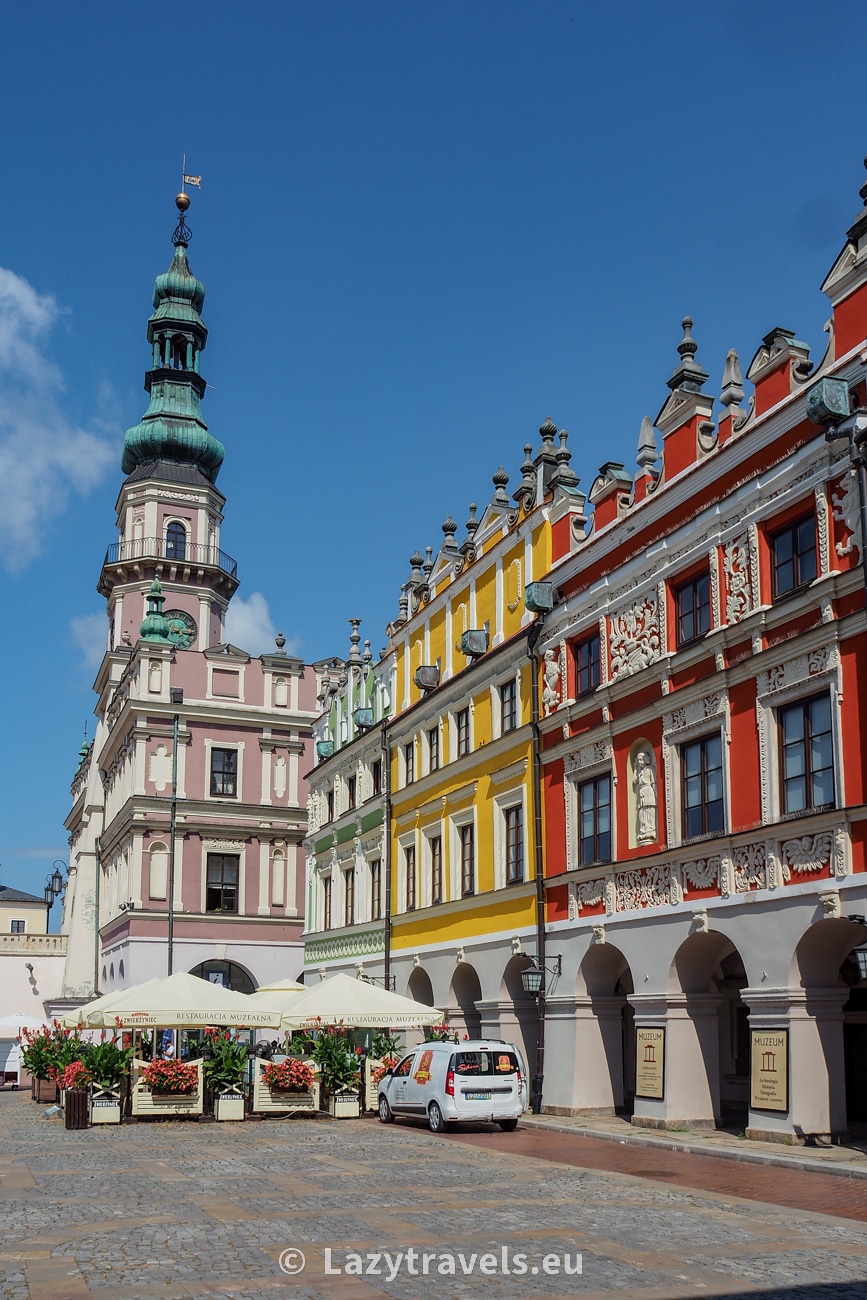
If you prefer to explore on your own, don’t forget to go outside the walls to appreciate the craftsmanship of those who turned Zamość into a real fortress.
The urban complex was inscribed on the UNESCO list in 1992.
The Teutonic Knights’ castle in Malbork
The Teutonic Knights were ambitious, and they left behind many magnificent buildings and architectural complexes, no matter what one may say. One such building is the castle in Malbork. However, it differs from other fortresses built by the black-crossed knights in terms of its scale. After all, the castle in Malbork was destined to become the capital of the Teutonic Order.
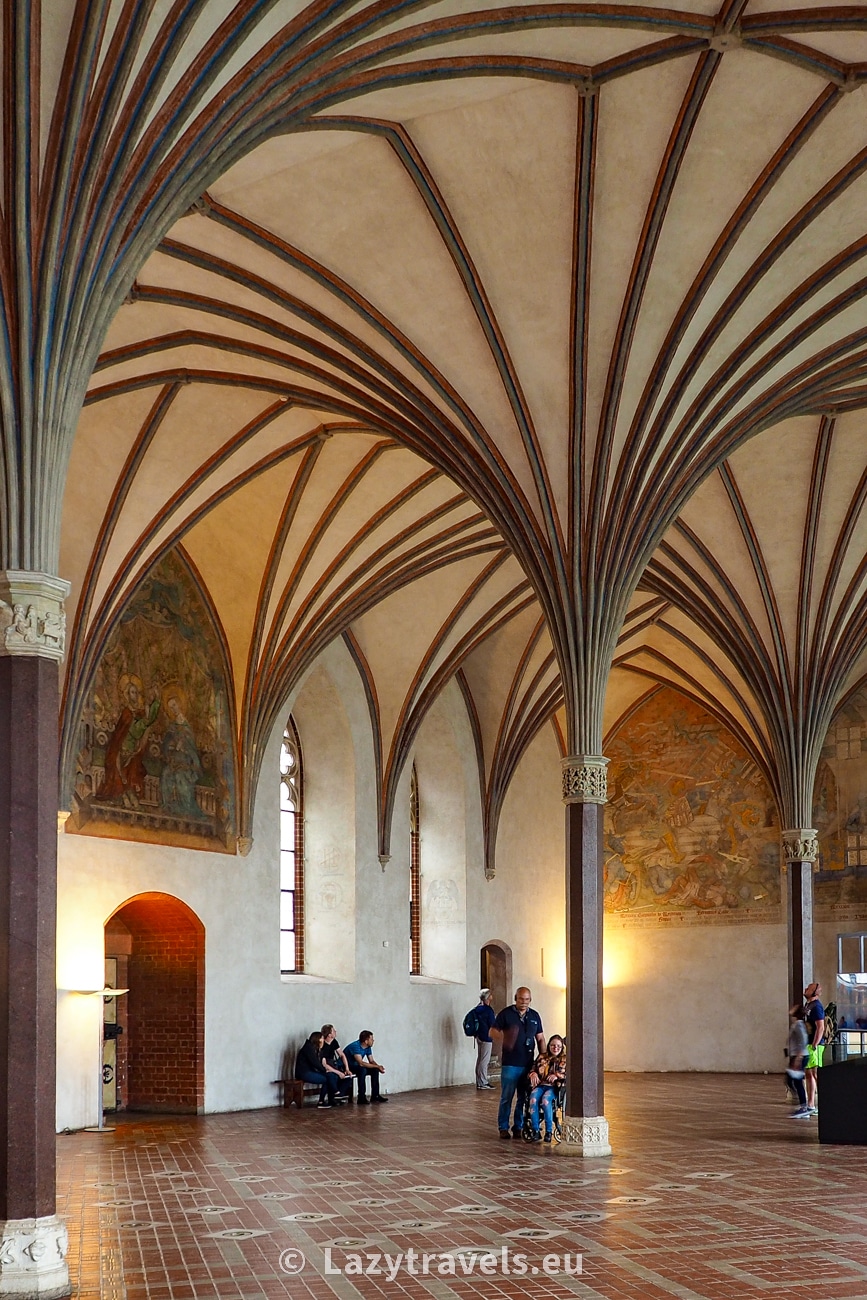
Construction of the castle began in 1280 and progressed quickly. In fact, it was completed so quickly that, by 1309, the Teutonic Knights had moved their capital there. Interestingly, the stronghold was not conquered by the Poles but rather came under Polish rule when the Polish king purchased it from an unpaid Czech crew. For centuries, it was then one of the seats of Polish rulers.
A significant year in the castle’s history was the final year of World War II. In 1945, the Red Army besieged the Germans defending the castle, destroying 40 to 60 percent of its walls. Fortunately, reconstruction began after the war, and today, the castle once again impresses visitors.
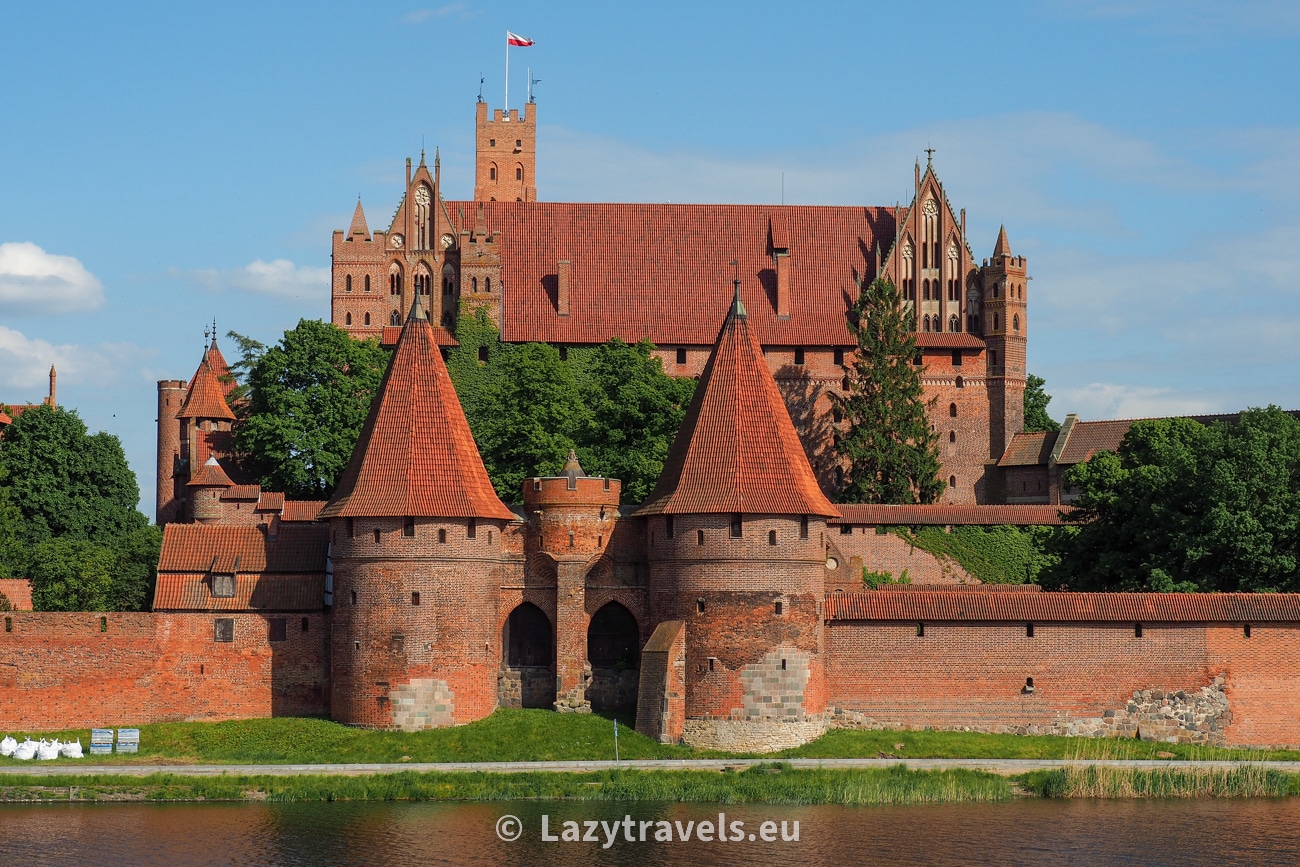
The castle in Malbork was added to the UNESCO list in 1997.
The Royal Salt Mines in Wieliczka and Bochnia
Everyone in Poland has heard that Casimir the Great found country made of wood and left it made of brick. But few people know that this great undertaking was largely made possible by the income generated from salt mined in Bochnia and Wieliczka. You may be surprised to learn that the oldest salt mine in Poland is in Bochnia.
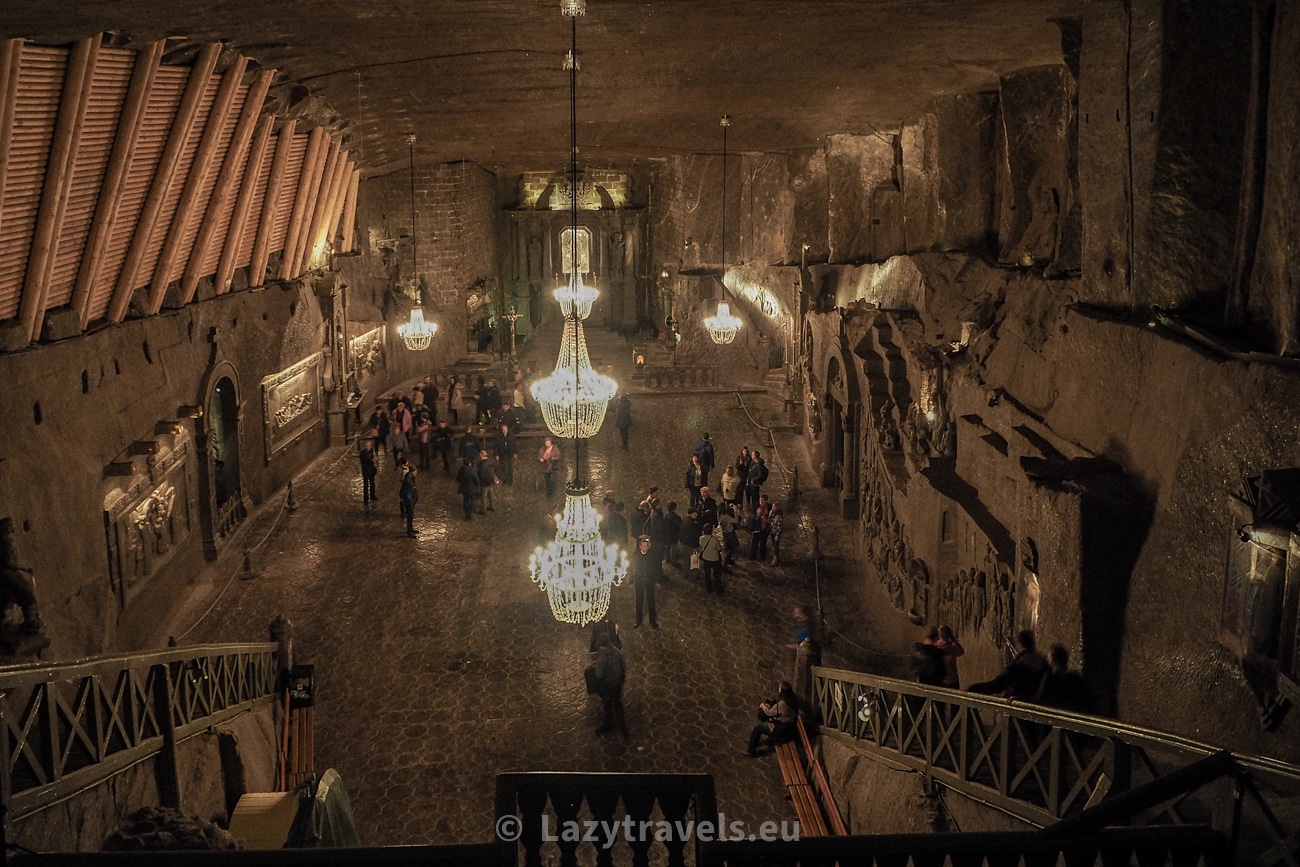
The most famous mine, however, is in Wieliczka, where visitors can choose between two tours: the classic tour and the mining tour. For the mining tour, tourists put on protective clothing and descend underground with headlamps for light. There, they can admire the old tunnels and pillars, which the „working” rock breaks like matchsticks. Visitors will learn how salt was mined, how valuable it was, and how difficult and dangerous the work of a rock salt miner was.
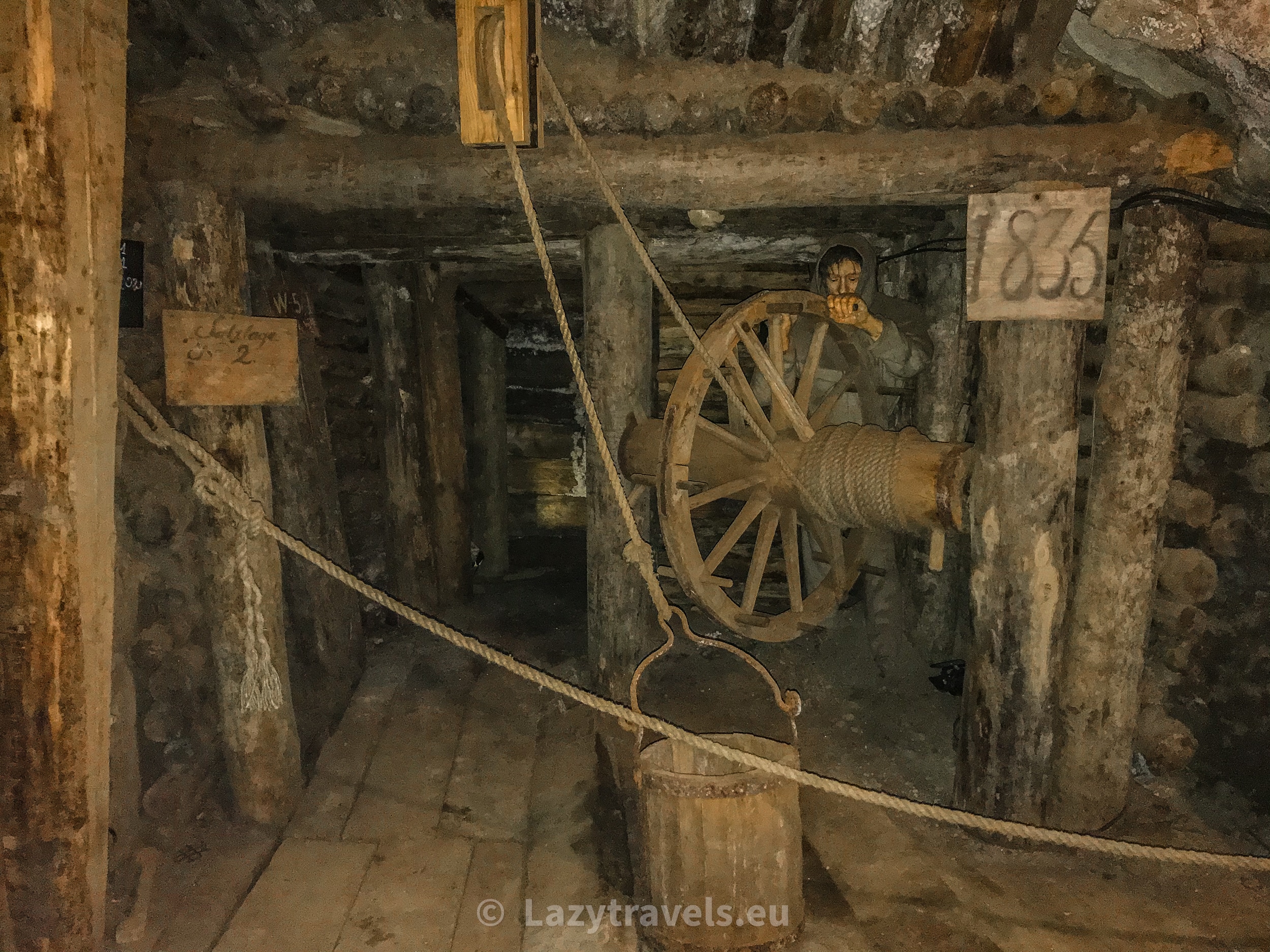
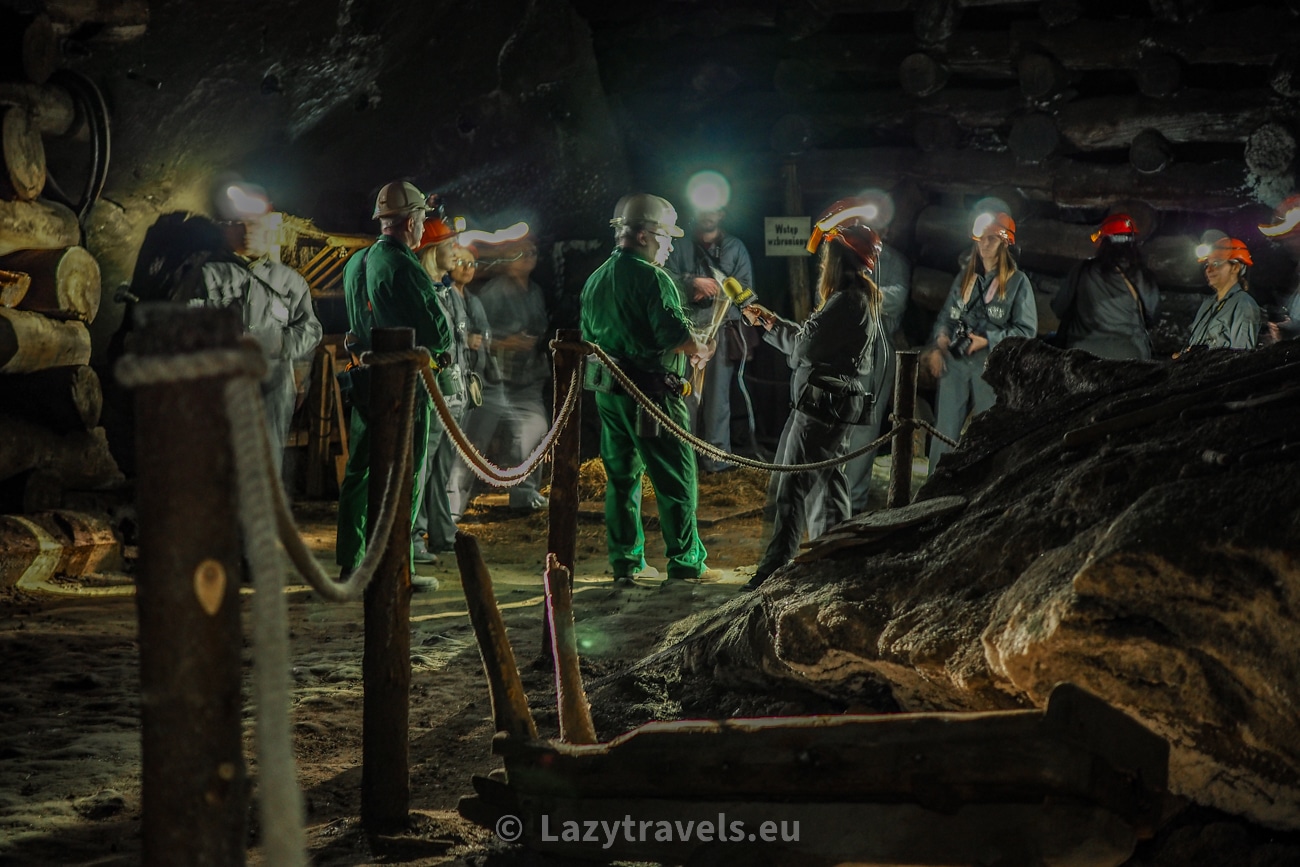
Established in 1248, the salt mine in Bochnia employed about 100 to 150 miners at that time. By the 16th century, that number had grown to about 500. I don’t really know why Wieliczka is more famous. It’s probably a matter of marketing and how the underground routes are prepared and advertised. Bochnia is simply boring, although it clearly has potential. Especially since you can ride an underground mining train there. For those interested, it’s also possible to sail a short distance on a salty underground canal.
The salt mine in Wieliczka was added to the UNESCO list in 1978, while the mine in Bochnia was added in 2013.
Muskauer Park
The result of a madman’s vision can be seen in Muskauer Park. The park is the life’s work of Hermann von Pückler, who fell in love with nature and built something on his land that had never been seen before in this part of Europe. While kings and princes built beautiful castles and palaces, Pückler decided to create a park. He hired the greatest specialists of his era and devoted all his savings to the project. Interestingly, he spent not only his own savings but also his wife’s dowry, which was also spent on the park.
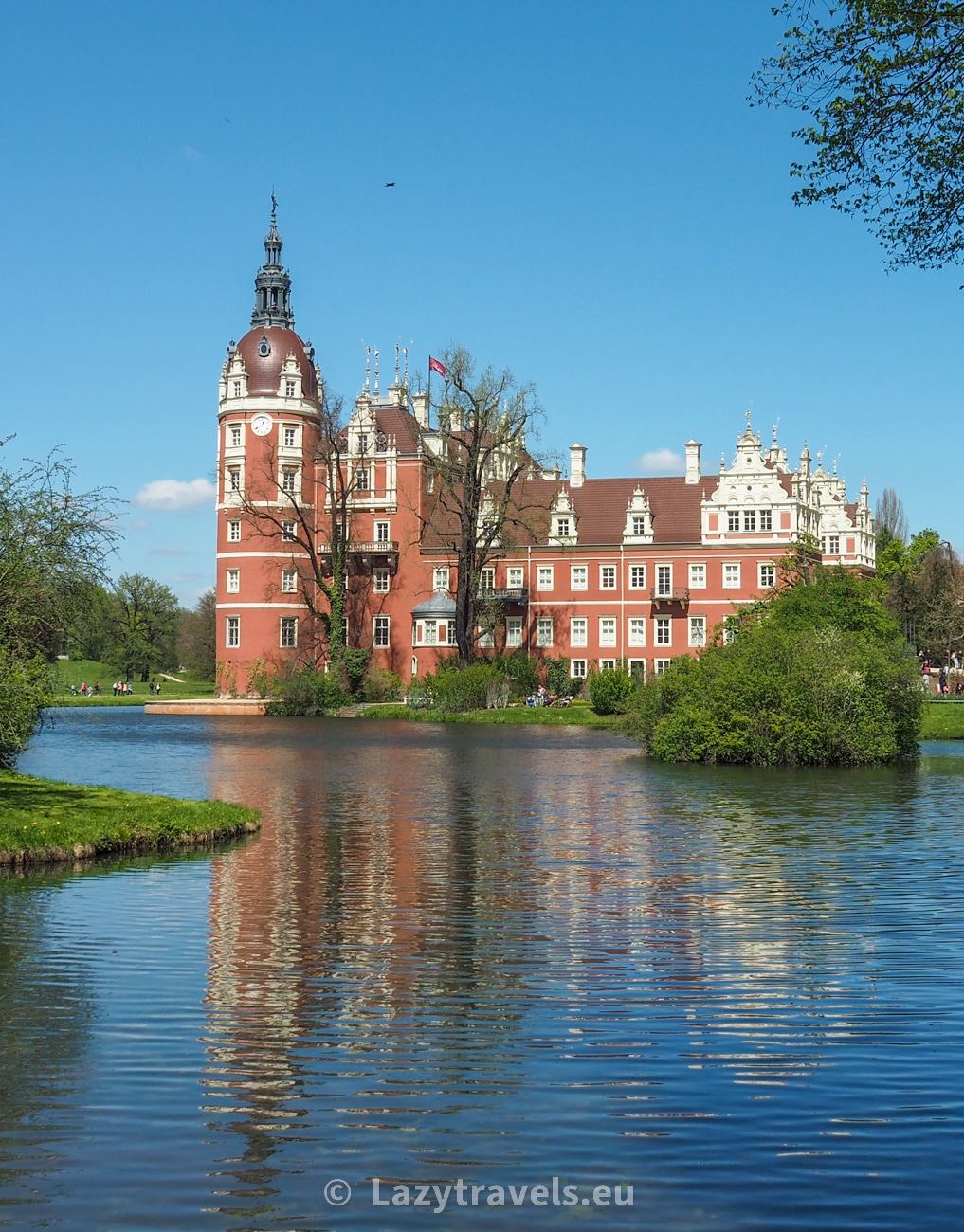
But what could cost so much that you could go bankrupt building a park? Not only was it necessary to plant trees and grass, but it was also necessary to level the ground, dig waterways, and manage the river flowing through the park—the Lusatian Neisse—as well as build small architectural structures and a palace. After all, everything had to harmonize with the park. Pückler would probably be happy that his dream has been included on the UNESCO list. He probably wouldn’t care that it is in Poland and Germany. His work has outlived him.
Seven hundred hectares of land were allocated for construction. Today, it is better to cycle through the park than to walk because the paths are perfectly suited for cycling!
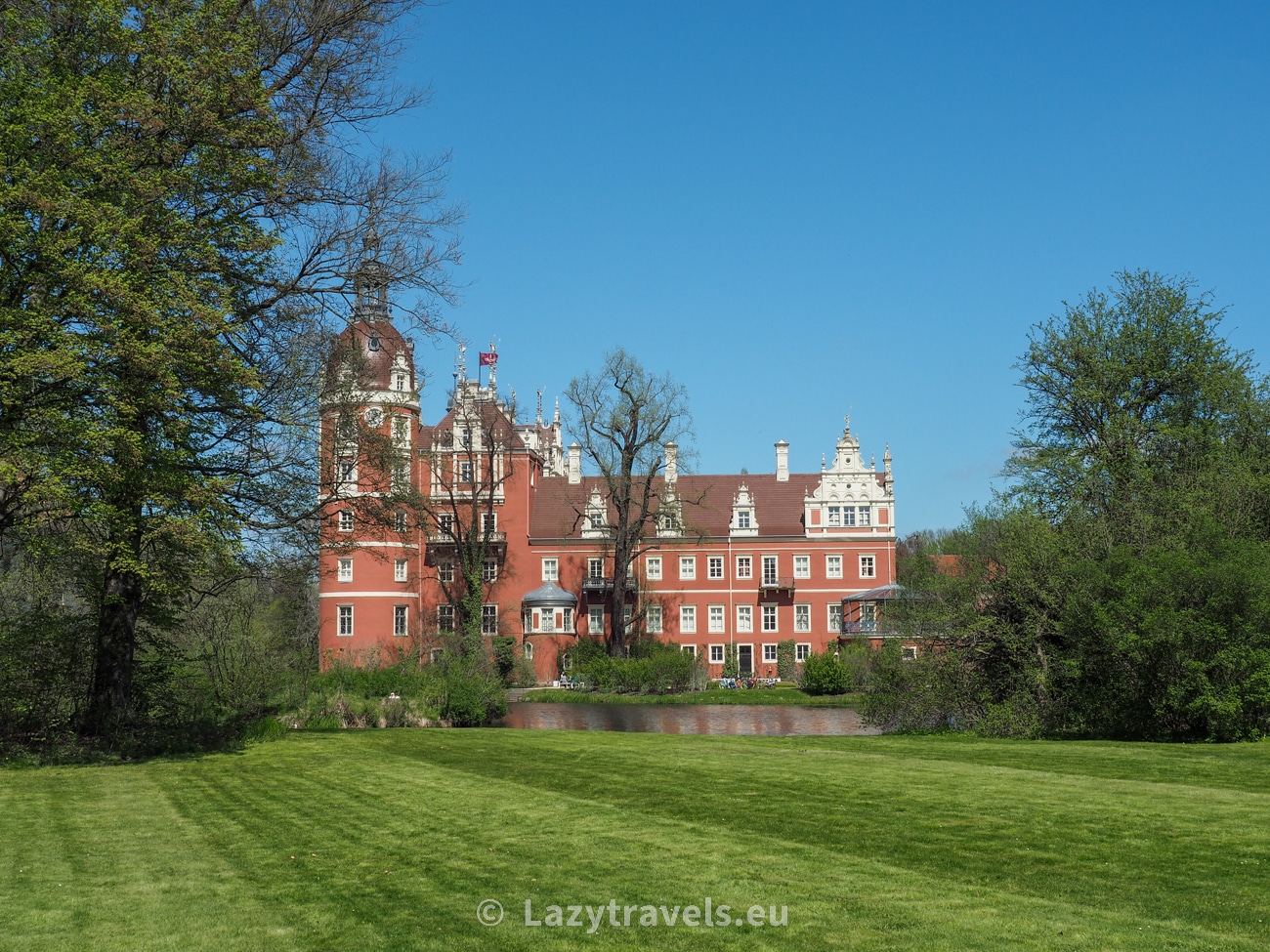
Now, an interesting fact: After World War II, Muskauer Park was divided by the Lusatian Neisse into eastern and western parts. The castle and 200 hectares of the park remained in Germany, while Poland retained 500 hectares. Today, after Poland joined the Schengen Area, the park is whole again. Only the river indicates that there used to be two parts. It is now one coherent and stunningly beautiful organism. If you’re in the park, be sure to visit the Muskau Arch Geopark to see the beautiful, colorful lakes.
Muskauer Park was inscribed on the UNESCO list in 2004. It was included as a cross-border site, i.e., located in both Poland and Germany.
The medieval city of Toruń
“Gothic to the touch” – this is how Toruń advertised itself not so long ago. And it must be said that there is no shortage of Gothic brickwork here! All thanks to the Teutonic Knights, who built one of their castles here in the 13th century, which formed a dense network across the former Teutonic state. A town quickly began to grow next to the castle, and it grew so fast and its inhabitants became so strong that… during the war between Poland and the Teutonic Order, they destroyed the fortifications. They have not been rebuilt to this day!
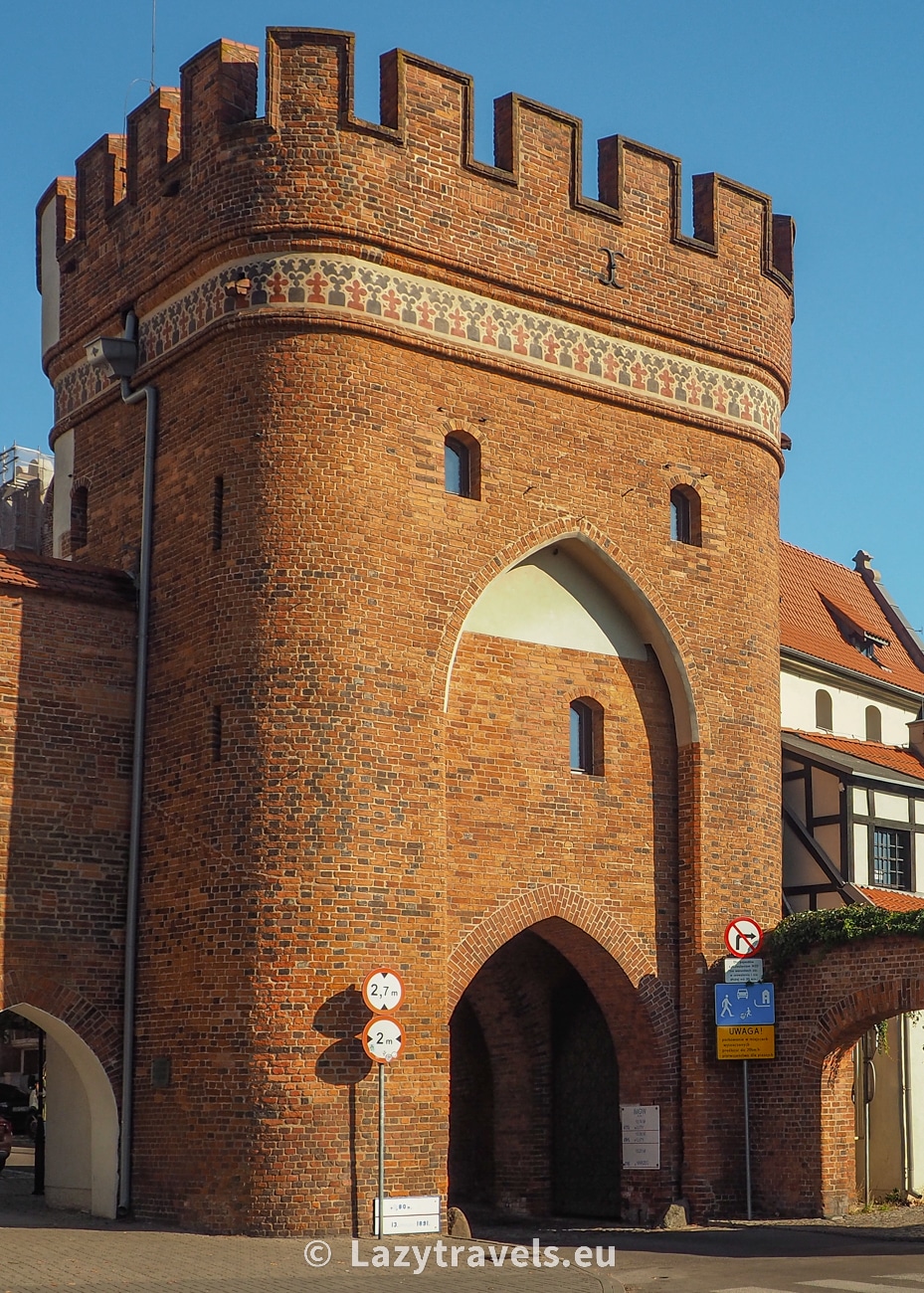
However, the city continued to grow in strength and wealth thanks to trade in grain and other goods transported down the Vistula River. That is why there are many granaries here, but also old houses. One of them is the house where Nicolaus Copernicus was born. I recommend visiting this very cool and interactive museum.
In addition, there are plenty of cafes, restaurants, pubs, museums, and places where you can have a good time. Toruń is just right for an intense weekend! Just be careful not to gain weight, because you can buy local gingerbread on every corner, and if you feel like it, you can also bake it yourself – for example, at the Living Gingerbread Museum.
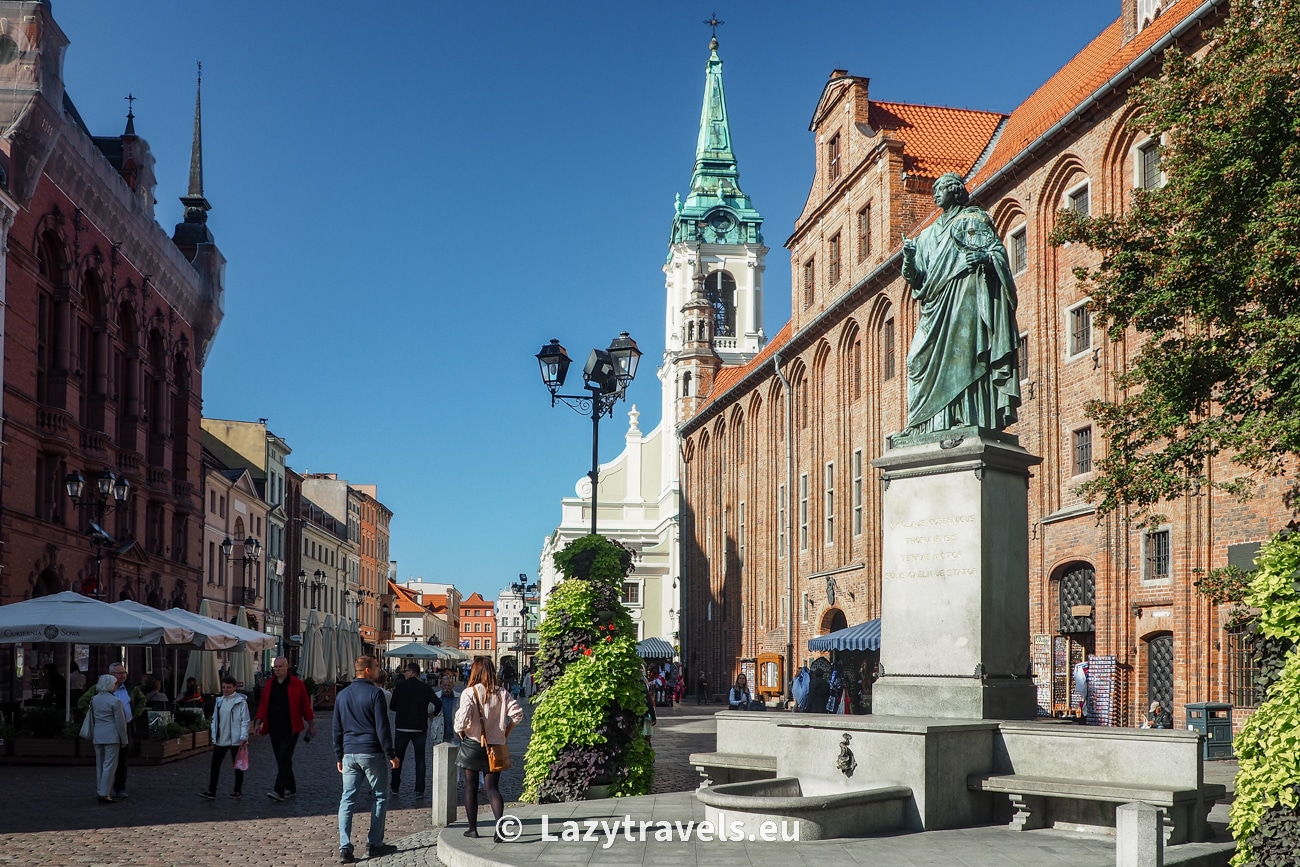
Toruń was added to the UNESCO list in 1997.
Krzemionki Opatowskie – the land of striped flint
Krzemionki Opatowskie, because that is what we are talking about, is a place where five thousand years ago the most valuable material of the time was mined: striped flint. Flint was a material from which almost everything was made at that time, but most importantly: tools and weapons. Flint was mined in shallow open pits, but also in large mines several meters deep. One of these underground routes has been reconstructed so that visitors can see for themselves how flint was mined in the past.
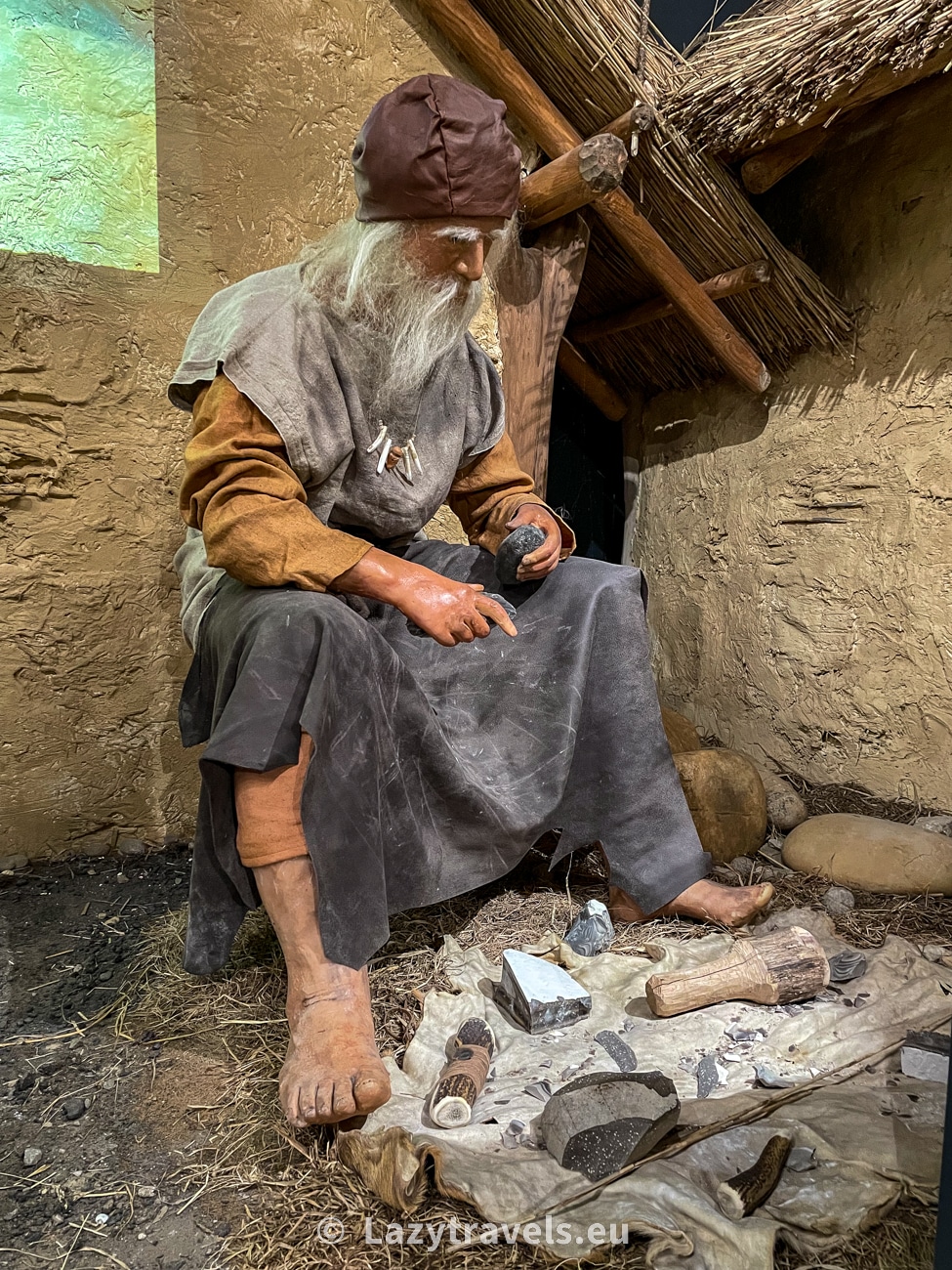
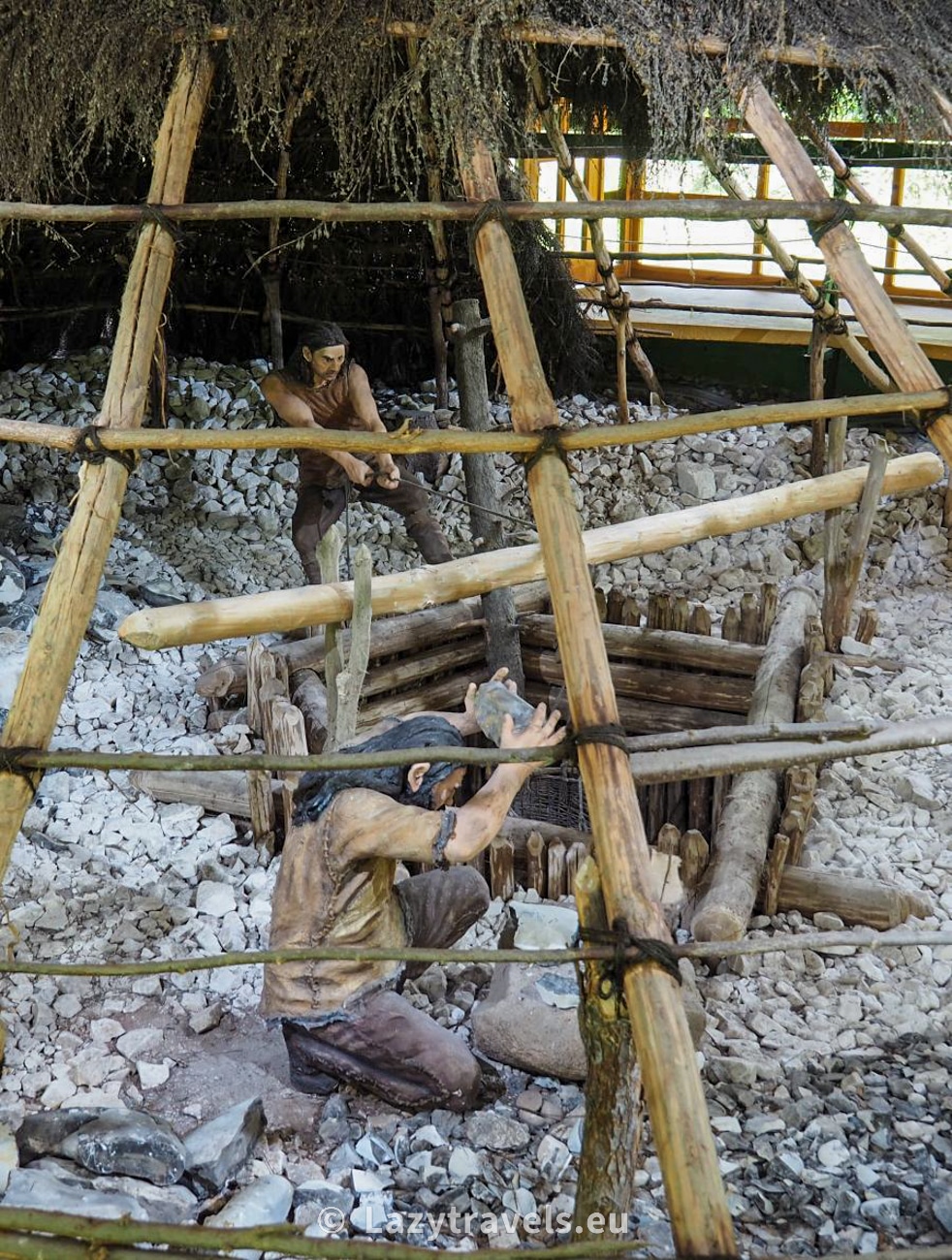
In addition to the mine, there is also an exhibition of old artifacts, as well as a reconstruction of an ancient Neolithic settlement showing how people lived in those times.
Krzemionki Opatowskie was added to the UNESCO list quite recently, in 2019.
The historic center of Kraków
Krakow, the former capital of Poland, was one of the first cities included on the UNESCO list, which was created in 1978 — and for good reason. Krakow is a medieval gem. Crowds of tourists flock to the city, eager to explore its beauty. Of course, this has its pros and cons. Krakow is flooded with tourists during the season, and as the locals say, it is difficult to live there at that time. On the other hand, those who make a living from tourism are doing well. This includes the entire hotel and entertainment industry. Tourism is a powerful branch of the economy.
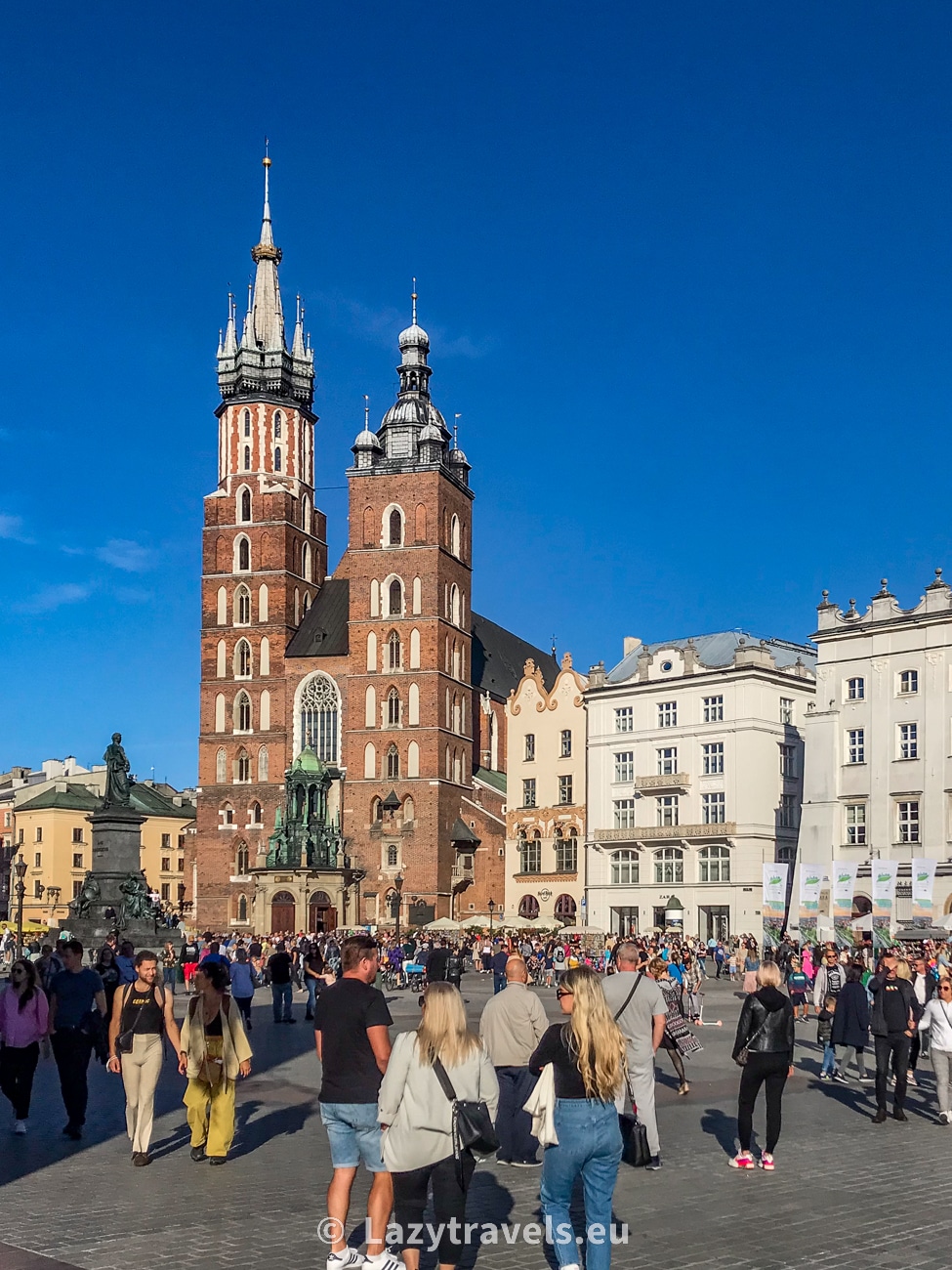
Krakow’s entry on the UNESCO list includes the Old Town, which is located within the former defensive walls (now demolished), as well as Wawel Hill, with its castle, and the former Jewish district of Kazimierz, including the Stradom area.
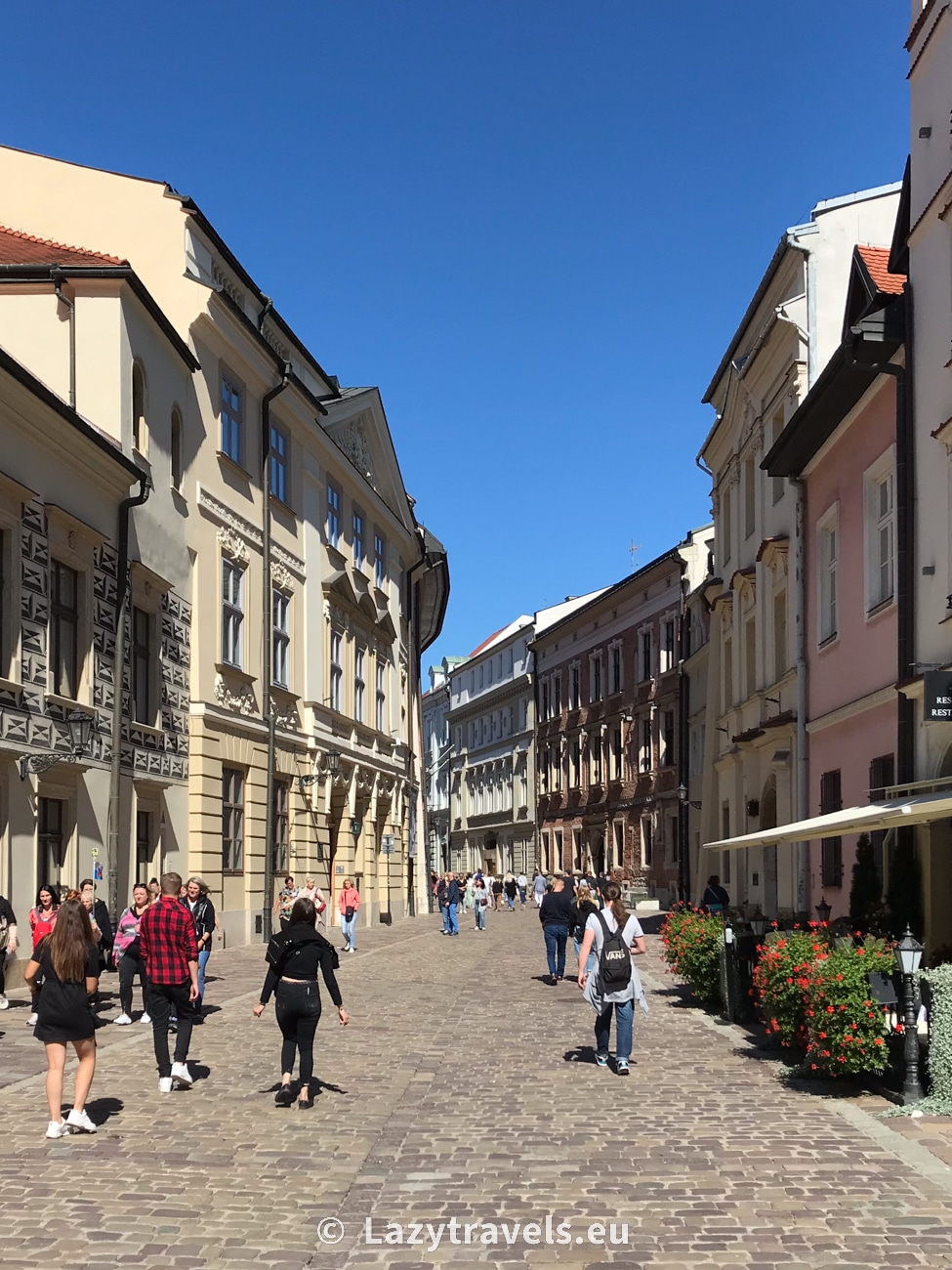
Krakow was added to the UNESCO list in 1978 and was one of the first 12 entries in the world.
Białowieża Forest
Białowieża National Park is unique not only in Europe, but also worldwide. It is one of the last places on earth that is still covered by primeval forest. A place that remains untouched by human hands. A forest where nature reigns supreme, and the death of one tree means life for other organisms that follow. Not all of Białowieża National Park is strictly protected. Unfortunately, as we have seen in recent years, the State Forests prove that they know better and would like to interfere with this primeval, oldest part of the forest. Fortunately, however, they have not done so yet.
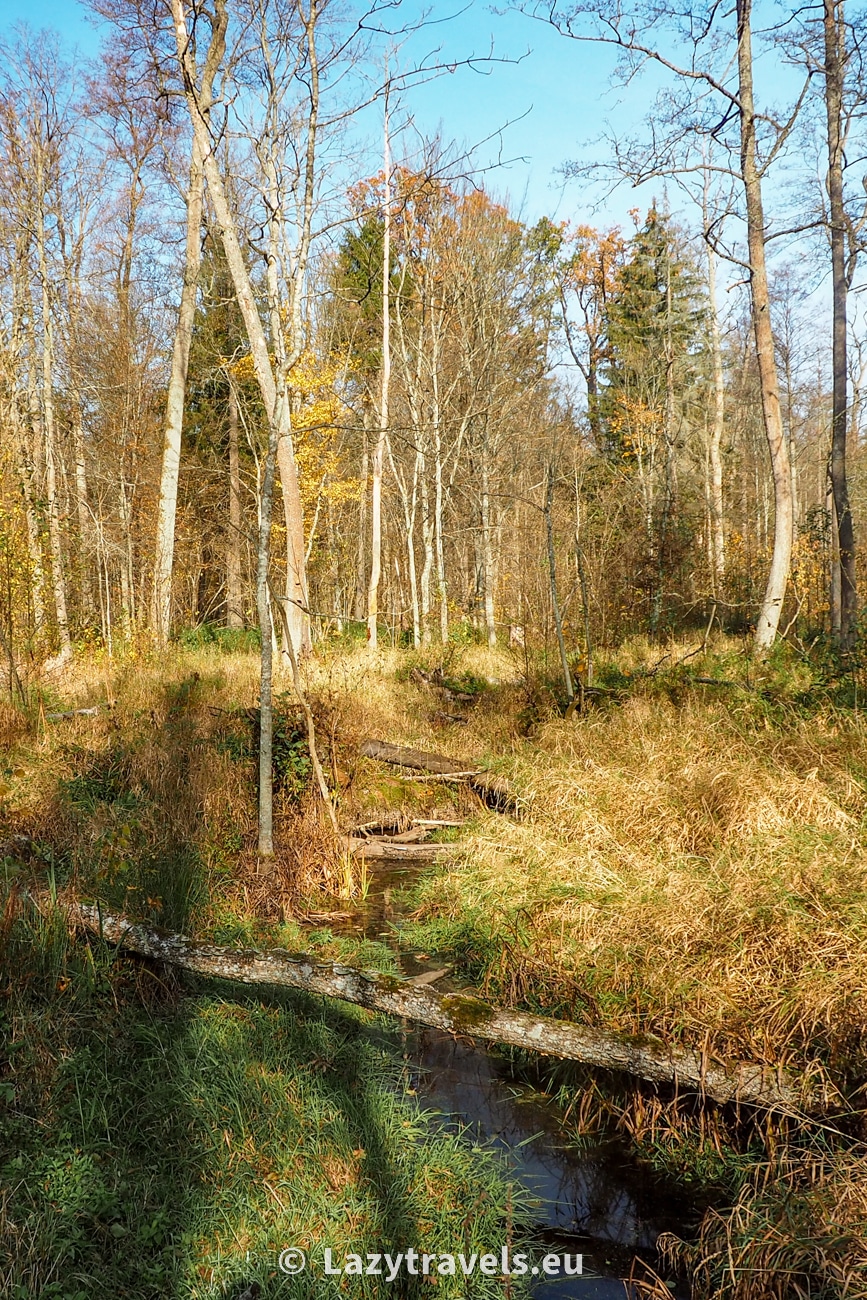
If you associate the Białowieża Forest with bison, you are right. It was here that this mighty mammal, until recently threatened with extinction, was reintroduced into the wild. In the past, Polish kings came to the forest to hunt, and they were the ones who began to protect this area. It can be said that they established the first national park and initiated the centuries-long protection of this unique and beautiful place.
It is worth mentioning that the oldest part of the forest can be entered with a guide, but a significant part of it can be explored independently, e.g., by bike or on foot. During such a walk, you will encounter mighty oaks that still “remember” the kings who hunted among them. And what can we say: the forest looks most beautiful in autumn, when the trees begin to “burn” with the red and yellow of falling leaves.
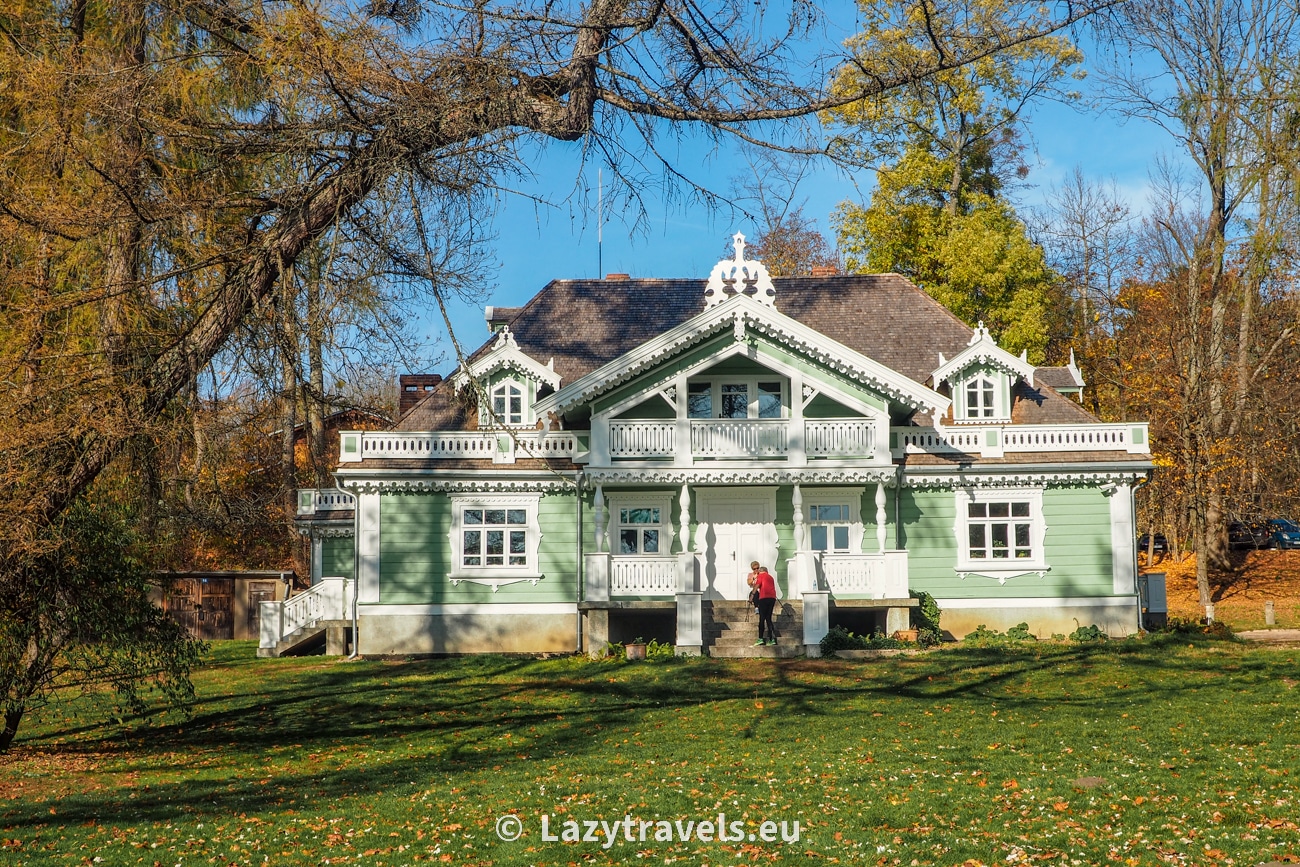
The Białowieża Forest was inscribed on the UNESCO list in 1979, but it was only 5,000 hectares. In 1992, the inscription was extended to include the Belarusian side.
The Historic Center of Warsaw
When you walk into Warsaw’s Old Town, you might not realize that what appears old is actually new. Most of what you see here are only the foundations. Unfortunately, Warsaw was systematically destroyed by the Germans during World War II, which meant that after the war, it gained access to the sea. It’s a shame that it was a sea of ruins. The capital of Poland no longer resembled the proud, thriving city that had developed dynamically before 1939.
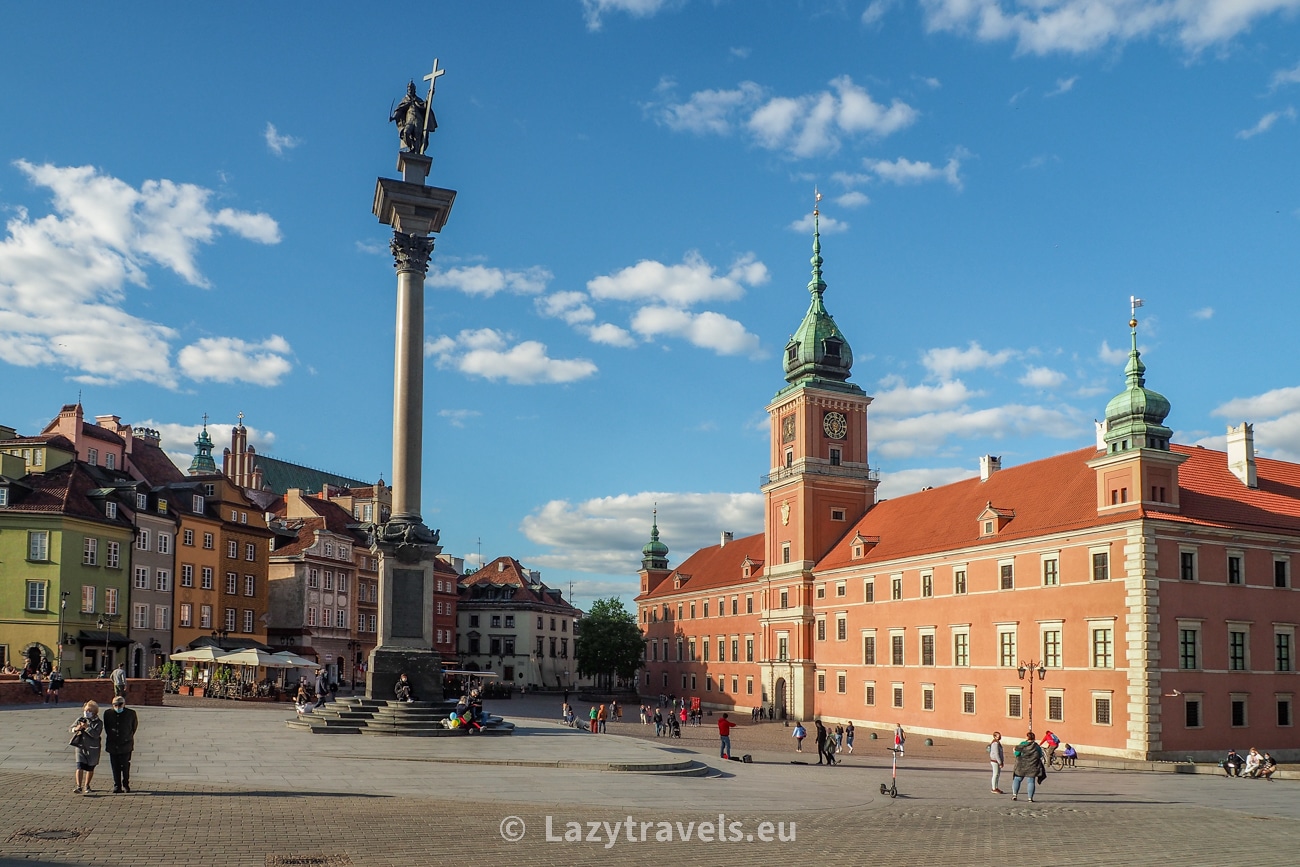
But like a phoenix, Warsaw rose from the ashes! During the Warsaw Uprising, 85% of the buildings in the Old Town were reduced to rubble, so the resurrection was literal, not figurative.
However, the authorities of the Polish People’s Republic decided to rebuild Warsaw, and the Old Town regained its splendor. It was rebuilt exactly as it had been before the destruction. Tenement houses, the barbican, and finally, the Royal Castle and its interior were raised from the ruins. Remarkably, the reconstruction was completed in just five years. However, it was often built using bricks salvaged from cities such as Lower Silesia or the so-called Recovered Territories. This irrevocably destroyed beautiful buildings and architectural complexes. However, that is another topic, and Warsaw is not to blame for the decisions made by Polish authorities at that time.
Today, however, you can once again venture into the narrow streets and feel the spirit of the old city, even though it is so young. This is why UNESCO recognized Warsaw, adding it to its list of World Heritage Sites on September 2, 1980.
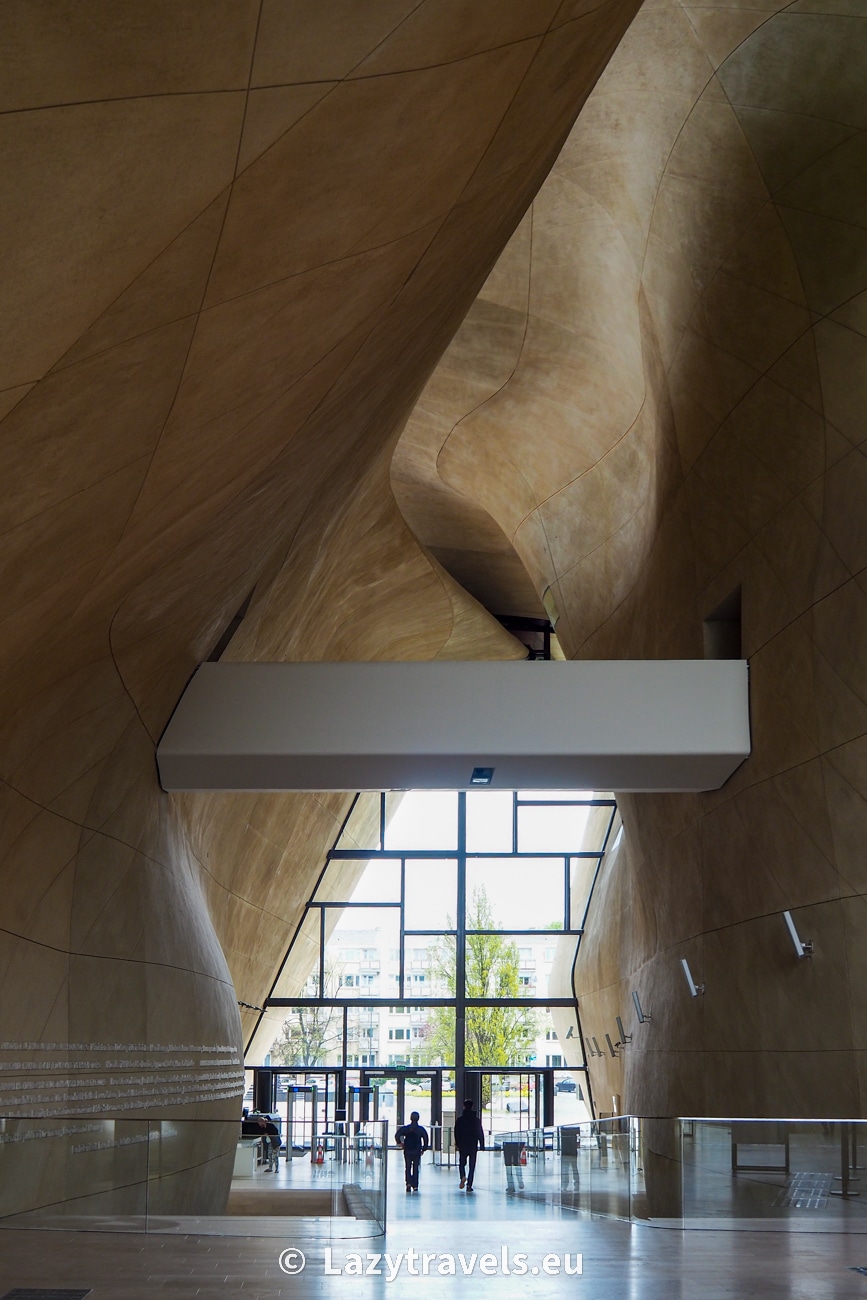
You have to see it for yourself. Stand under Sigismund’s Column in Castle Square, walk along the walls, see the Barbican, and finally, sit down at one of the restaurants or cafés. Don’t forget to take a photo with the Mermaid in the Old Town Square!
Churches of Peace in Jawor and Świdnica
There used to be three Churches of Peace, but sadly, only two have made it to today—in Jawor and Świdnica (the one in Głogów was destroyed). The churches came about after the Peace of Westphalia in 1648, which put an end to the Thirty Years’ War. The idea was that these temples would not last very long. The treaty stipulated that they could only be made of materials that were easily destroyed. Only wood, clay, sand, straw were allowed for construction… The use of nails was strictly forbidden. Therefore, when you examine the walls, you’ll notice that they were joined in a very intricate way. Wooden pegs, but also special joints where the wood interlocked. As you can see, the work was done so well, that the church survived for centuries.
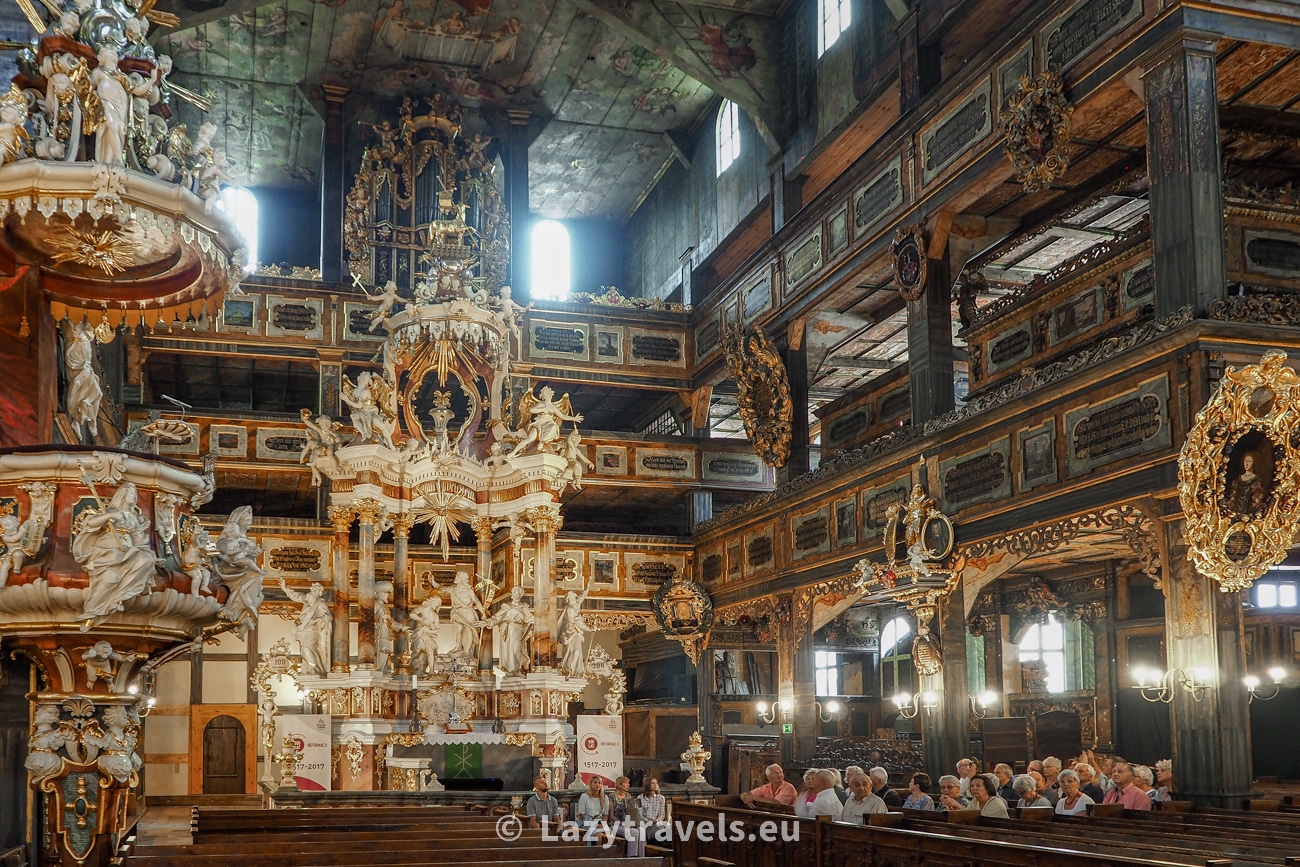
To make matters more challenging, the construction of the church had to be finished in a year. Not even a day longer was allowed. It wasn’t supposed to work, was it? But the faith of the faithful moves mountains and works miracles. And guess what? A miracle happened. Churches were built in less than a year and look just like the ones we see today. Just go to Świdnica to check out the local attractions and visit the Church of Peace to see how many people admire its beautiful interior.
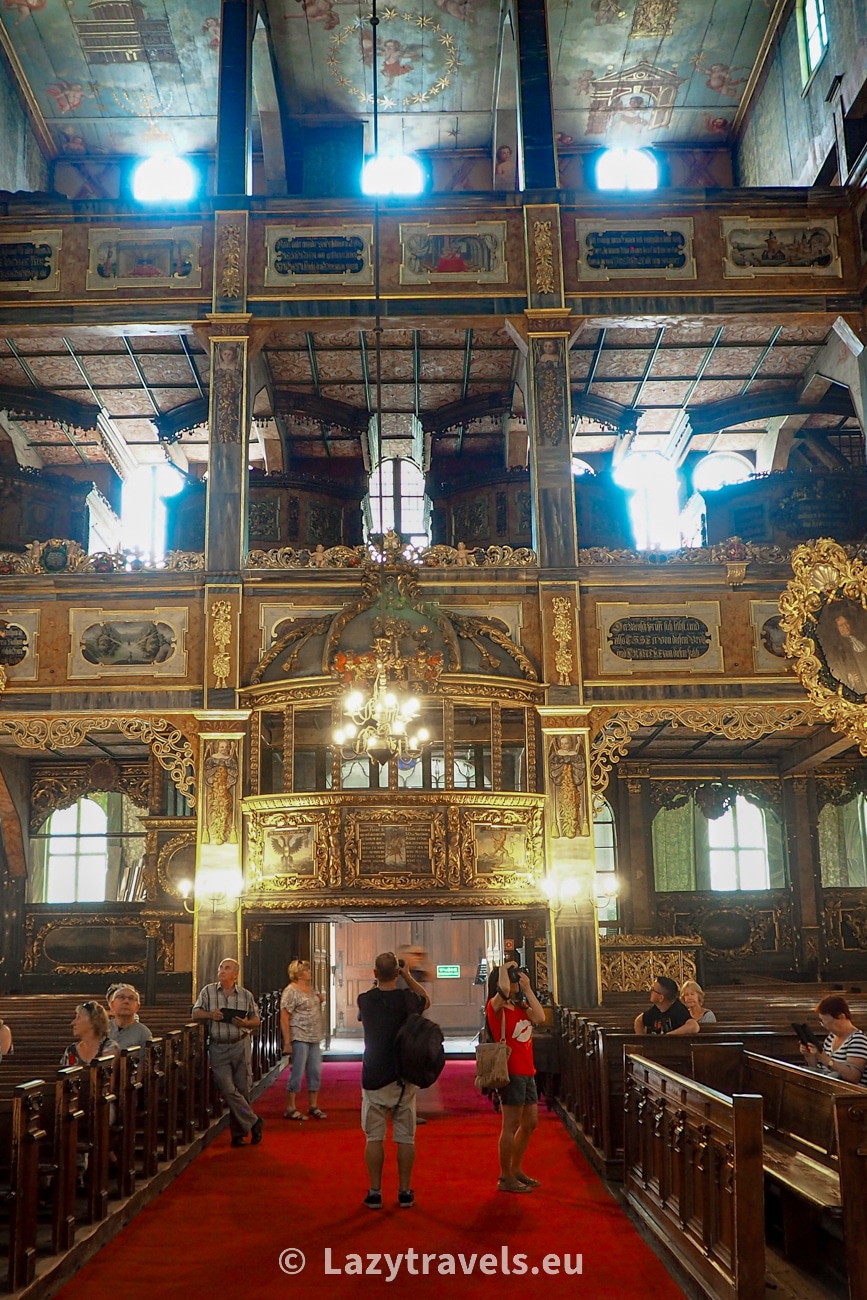
On June 24, 1657, the first service was held in the Church of Peace in Świdnica. The temple was finished in just 10 months, so there was a lot to be thankful for.
And what was built? The church can hold 7,500 people, with 3,000 of those seats.
The temple’s interior has been built up over the years, and it’s still pretty impressive. The wooden sculptures look like marble, and the ceiling is decorated in a very rich style. And when you do look up, your gaze immediately wanders to the decorated galleries. Actually, it’s hard to see the austerity of Protestant churches in this interior, which is all Baroque and fancy.
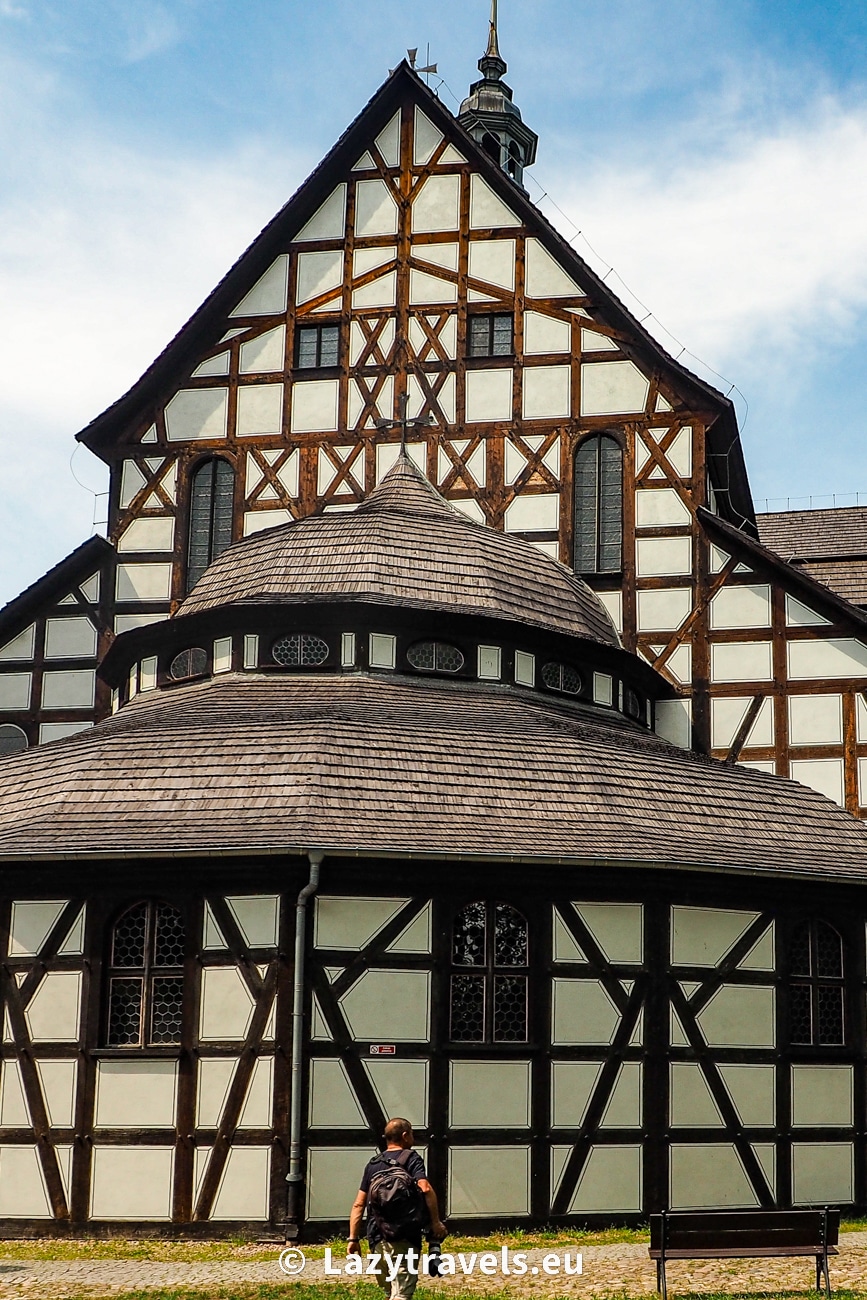
Surprisingly, the Church of Peace in Jawor is actually a bit bigger than its „twin” in Świdnica, but it doesn’t get nearly as many visitors. There aren’t any crowds of tourists here, which is too bad, because Jawor itself is interesting, although not as much as Świdnica. It’s definitely worth spending a few hours here. You’ll probably be spending most of your time inside the church, since walking around the wooden floors takes a while. And it’s worth taking the time to focus on the beautiful interior decorations.
The churches in Jawor and Świdnica were added to the UNESCO list in 2001.
Wooden Orthodox churches in the Polish and Ukrainian Carpathian region
Sometimes I think how beautiful and unusual Poland would be if someone hadn’t left it brick 😉
But seriously: Walls show that people are making progress and building a civilized society. This is about how some social classes become more enriched. Stone and brick don’t burn. They last a long time and can handle all types of weather. But until World War II, Poland was wooden! It’s not worth pretending it was otherwise. Villages were made up of wooden houses arranged in rows. They come in all sizes, from large to small, and some are decorated while others are plain. But they’re almost always made of wood. Even the manors were wooden!
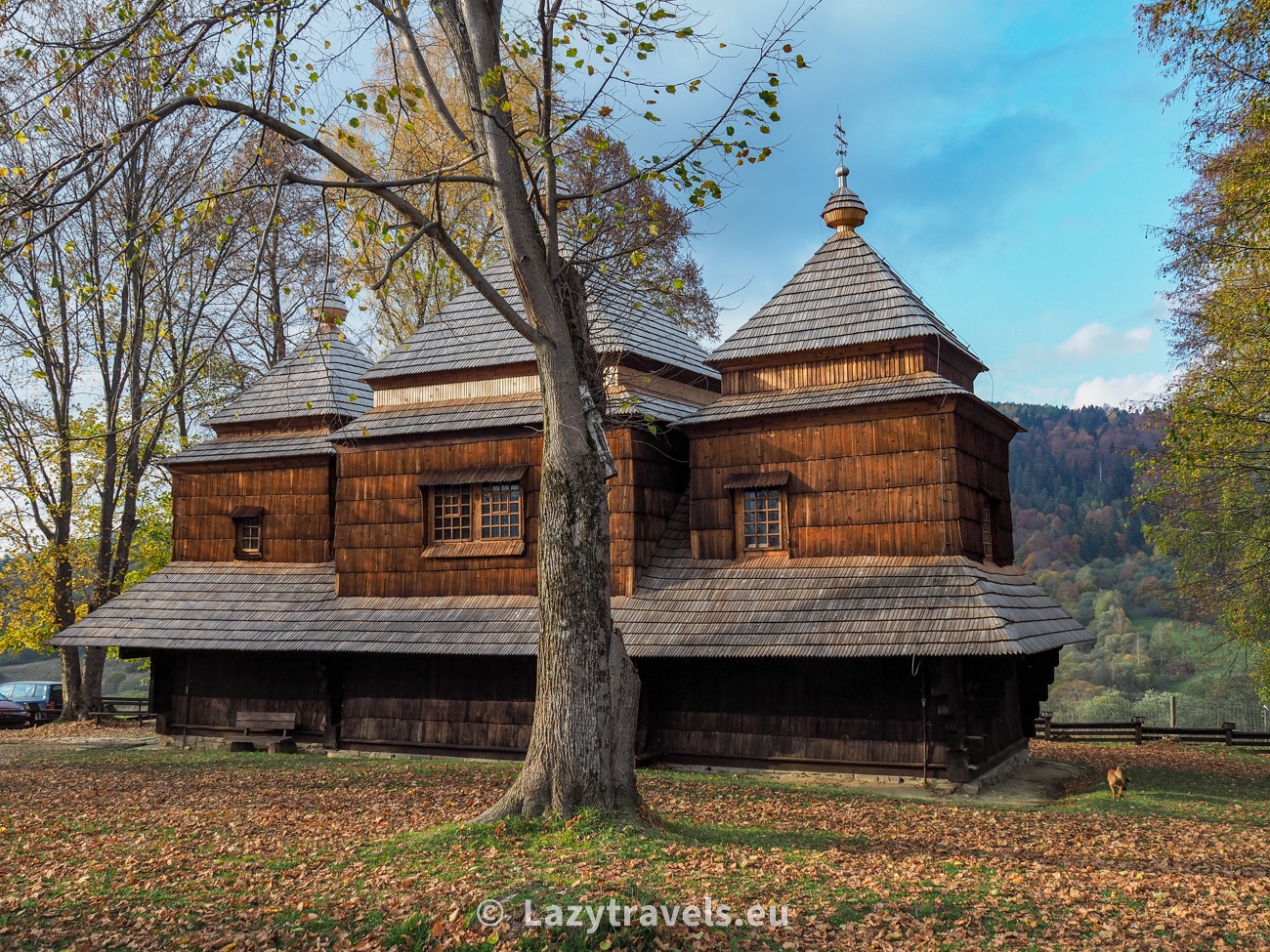
Not much of the wooden Poland is left, which is why it’s great that places that have kept their traditions and culture are around. Churches in remote areas that served small local communities were able to survive. There was no need to make them bigger; they had enough space for everyone. It was not necessary to modernize them; it was enough to protect them. These Orthodox churches on the Polish-Ukrainian border have survived to this day. They used to be part of the Second Polish Republic and the same country. They used to be visited mostly by local worshippers, but now they also attract tourists. People who love the old, the authentic, and the delightful. The photo shows the Orthodox church of St. Michael the Archangel in Smolnik. I admired it when I was walking in the Bieszczady Mountains one autumn. I had just been to Połonina Caryńska, and the next day I was amazed by Połonina Wetlińska.
I will return one day to see them all, because the UNESCO listing includes 16 churches. Eight of them are in Poland and another eight are in Ukraine.
The listing on the UNESCO list was made in 2013.
Wooden churches of southern Małopolska
The wooden churches of southern Małopolska are also worth seeing. These churches are in Binarowa, Blizne, Dębno, Haczów, Lipnica Murowana, and Sękowa.
The wooden church in Haczów, Podkarpacie, is one of the oldest Polish temples. It was built in 1388. Where is the oldest wooden church? This is a matter of disagreement because several places claim to be the oldest, and the dates of their construction differ by several decades.
But let’s go back to the churches in southern Małopolska. It’s incredible that they were founded in the 14th and 15th centuries and have lasted to the present day. Many wars have passed through the country, and many fires have threatened the wooden beams of the temples, but they have all survived. They exist because their founders wanted them to. Those founders are dead and forgotten. Their work in honor of God is still standing.
The entry on the UNESCO list was made in 2003.
Beech forests in the Bieszczady National Park
If you have been to the Bieszczady Mountains and walked through Połonina Wetlińska, you have certainly seen part of the UNESCO site. Part of the Bieszczady National Park has been inscribed on the heritage list as “Ancient and Primeval Beech Forests of the Carpathians and Other Regions of Europe.”
A total of 3,471.75 hectares of unique beech forests are now under protection.
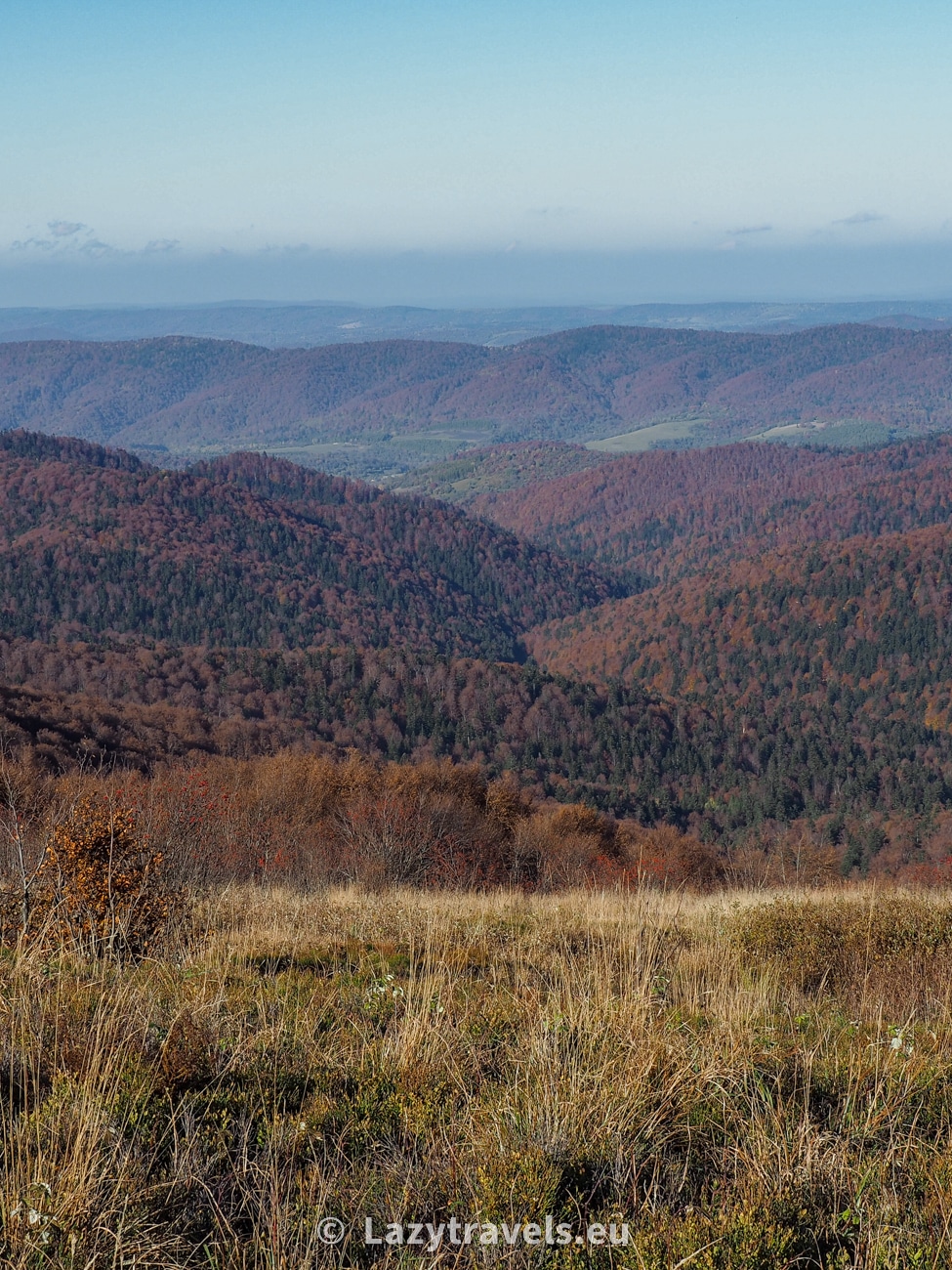
This area is the second in Poland to be protected as a natural site.
Beech forests were added to the UNESCO list in 2007.
Auschwitz-Birkenau. German Nazi concentration and extermination camp
It’s impossible to describe this using human language. How can you describe ethnic cleansing? How can we talk about a mass crime? Stalin is said to have said, „One death is a tragedy, a million is a statistic.” In Auschwitz, these words have a special meaning.
Around one and a half million people were killed in the Auschwitz camp. The word „approximately” itself sounds strange because there were so many victims that it is difficult to count them. Everyone died here: Jews, Poles, Hungarians, Czechs, Russians, Ukrainians, etc. The Germans killed anyone they thought was useless. Most of the people who died here were Jewish. We will never know what nationality they identified with or what they identified as. Anyway, it doesn’t matter anymore.
The Auschwitz camp is a symbol of the worst genocide in human history. It was large, cruel, and planned.
Murdering one and a half million people required the creation of a factory. It was a factory that efficiently produced the dead for several years. To remember this crime, UNESCO added the concentration and extermination camps to its list. The entire death complex, including the gas chambers, crematoria, gallows, prisoners’ bunks, piles of hair and everyday belongings, barbed wire, watchtowers, and more, can be seen here. It’s a shocking place.
The Auschwitz camp was added to the UNESCO list in 1979.
Centennial Hall in Wrocław
To be fair, the Centennial Hall is a beautiful building for its time. But the fact that it stands in Poland is a complete joke of history. The Centennial Hall, also called the Jahrhunderthalle in German, is a very German building. It was built to highlight German culture, or more specifically, „Prussianism.”
The hall was built to honor Frederick William III’s 1813 speech, „To My People,” in which he called for his people to stand up to Napoleon Bonaparte. The anniversary was going to be celebrated with a big event. Part of the celebration was going to be an exhibition. The exhibition was going to show the achievements of Lower Silesia. Such an exhibition needed the right setting. It had to be something that would attract attention and delight people.
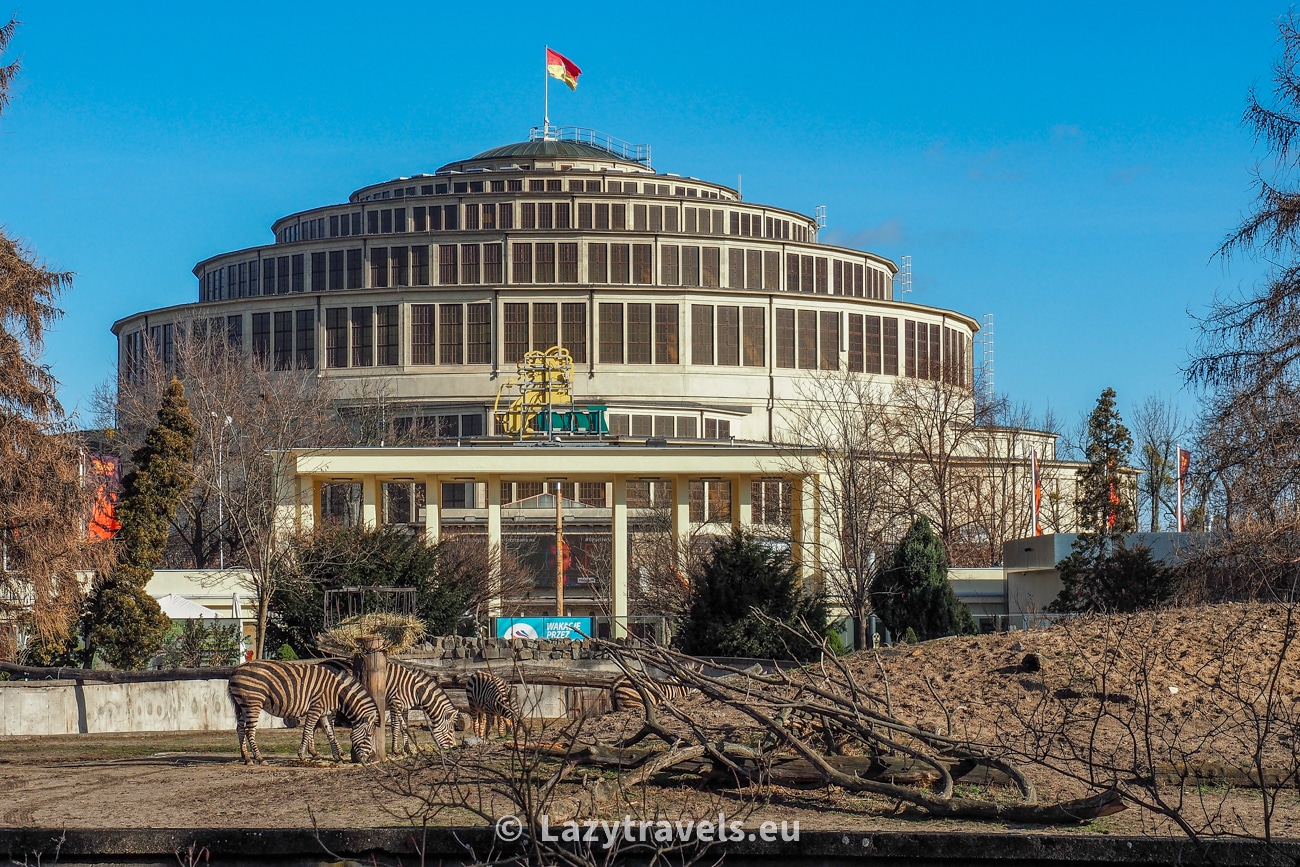
A contest was held, and the winning design was very unusual for its time. It was unique because it used new technologies. The reinforced concrete roof was the widest in the world at that time for this type of material. The hall was designed to be 42 meters high, and the dome was 67 meters in diameter. The hall was 95 meters wide at its widest point. The building could hold around 10,000 people. At the time, it was a truly impressive hall and a marvel of modern technology.
It was finished in December 1912.
What else can be said about such a big and new building? It’s important to note that it has a history, because, as you can probably guess, a building with such a large capacity has hosted major events. These included speeches by Adolf Hitler. Luckily, the Centennial Hall didn’t get badly damaged during World War II.
Lead, silver, and zinc mine in Tarnowskie Góry
I went to the mine in Tarnowskie Góry on a school trip when I was in elementary school. I still remember the guide talking about the „Black Trout Adit” as we sailed down an underground canal in a boat.
Unfortunately, all I have left from those days are memories, and I don’t have any photographs. It’s unfortunate, but it also gives me a plan to see the mine and everything related to it with my own eyes. I have to visit all the UNESCO sites in Poland, because it would be rude not to.
Why was the lead, silver, and zinc mine included on the World Heritage List? The underground water management system is so unique that the committee decided to honor it and protect it. The system started to develop in the 16th century, when people started to extract silver and lead ore. And then it only got worse. So much so that in the 19th century, zinc mined from Tarnowskie Góry met half of the world’s need for this raw material.
Today, there are almost 150 km of underground corridors under the city, and 28 post-mining facilities have been included on the UNESCO list. Management of underground water is important and unique to this area around the world. That is why the committee decided to protect this heritage.
The mine in Tarnowskie Góry was added to the UNESCO list in 2017.
Kalwaria Zebrzydowska and the park for pilgrims
Kalwaria Zebrzydowska is a place of particular interest to believers. Why? Because if you cannot afford to travel to Jerusalem, you will find Little Jerusalem in Kalwaria Zebrzydowska. How is this possible? Well, the creators have reproduced the most important and holy places in Jerusalem in the available area. They are located on the so-called paths. You can pray on the Paths of Jesus and the Paths of the Virgin Mary, and for your prayers you can receive the same indulgences as during a pilgrimage to the real Jerusalem in Israel.
The complex dates back to the early 17th century, when Mikołaj Zebrzydowski founded a church on the site where he had a revelation. However, not only the temple was built, but also the entire pilgrimage infrastructure, because Poles, and not only them, began to make pilgrimages to the church and the painting famous for its miracles.
In this way, Kalwaria Zebrzydowska has reportedly remained unchanged since the 17th century. Only the pilgrims and the issues they pray for have changed. Although prayers for health are probably timeless and unchanging.
Kalwaria Zebrzydowska was added to the UNESCO list in 1999.